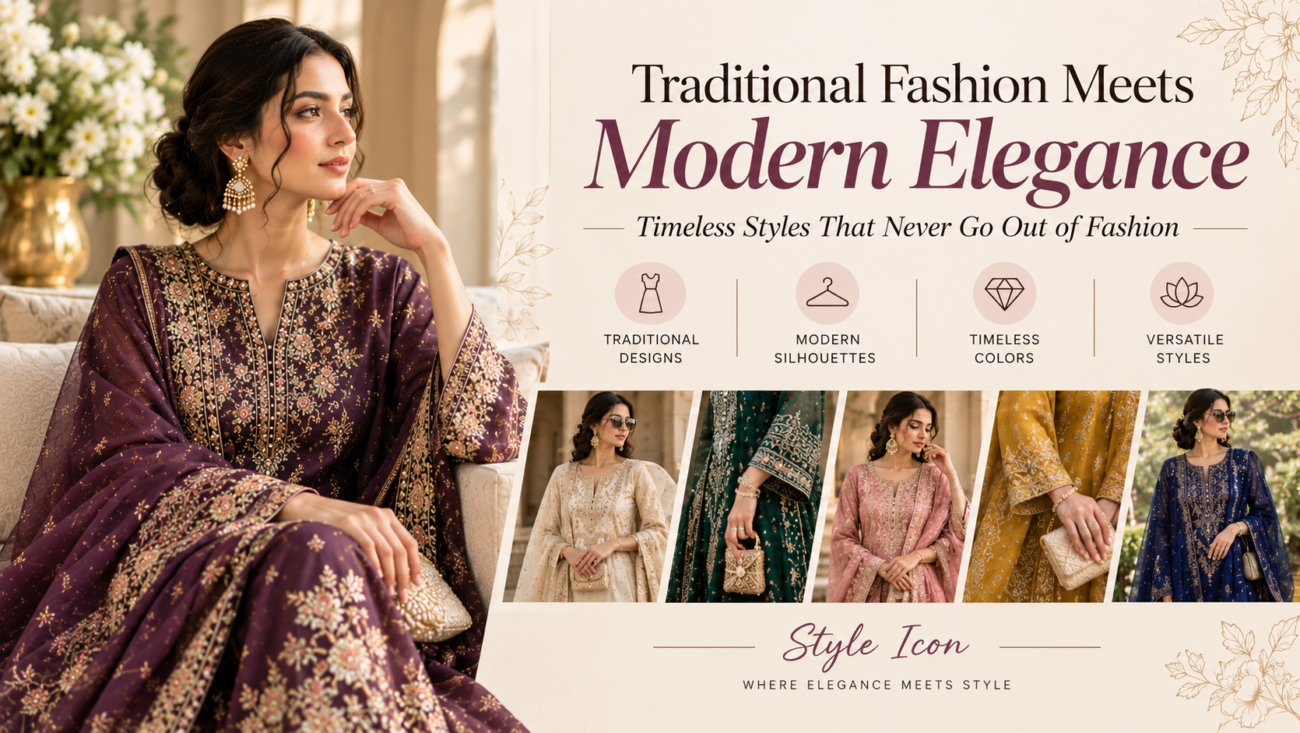
6. Make Embroidery the Highlight of Your Ethnic Wardrobe
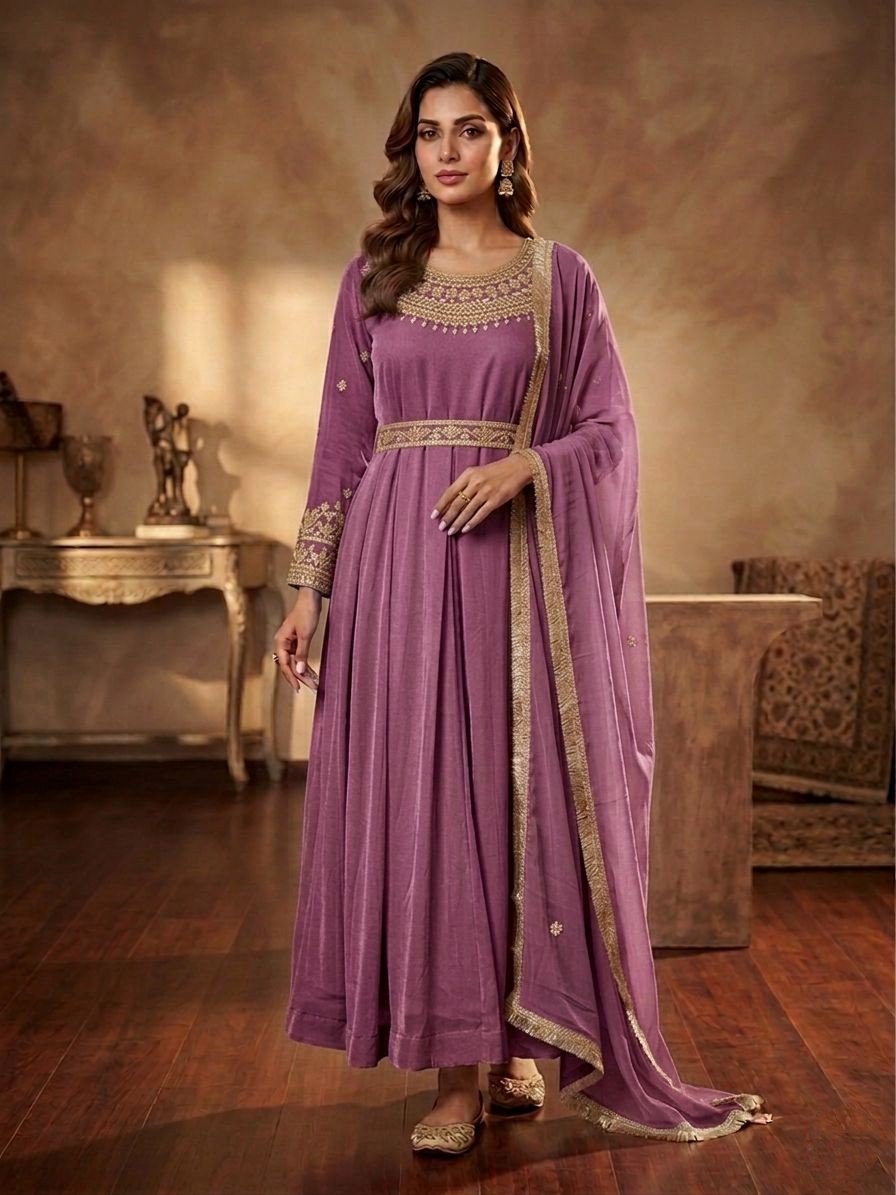
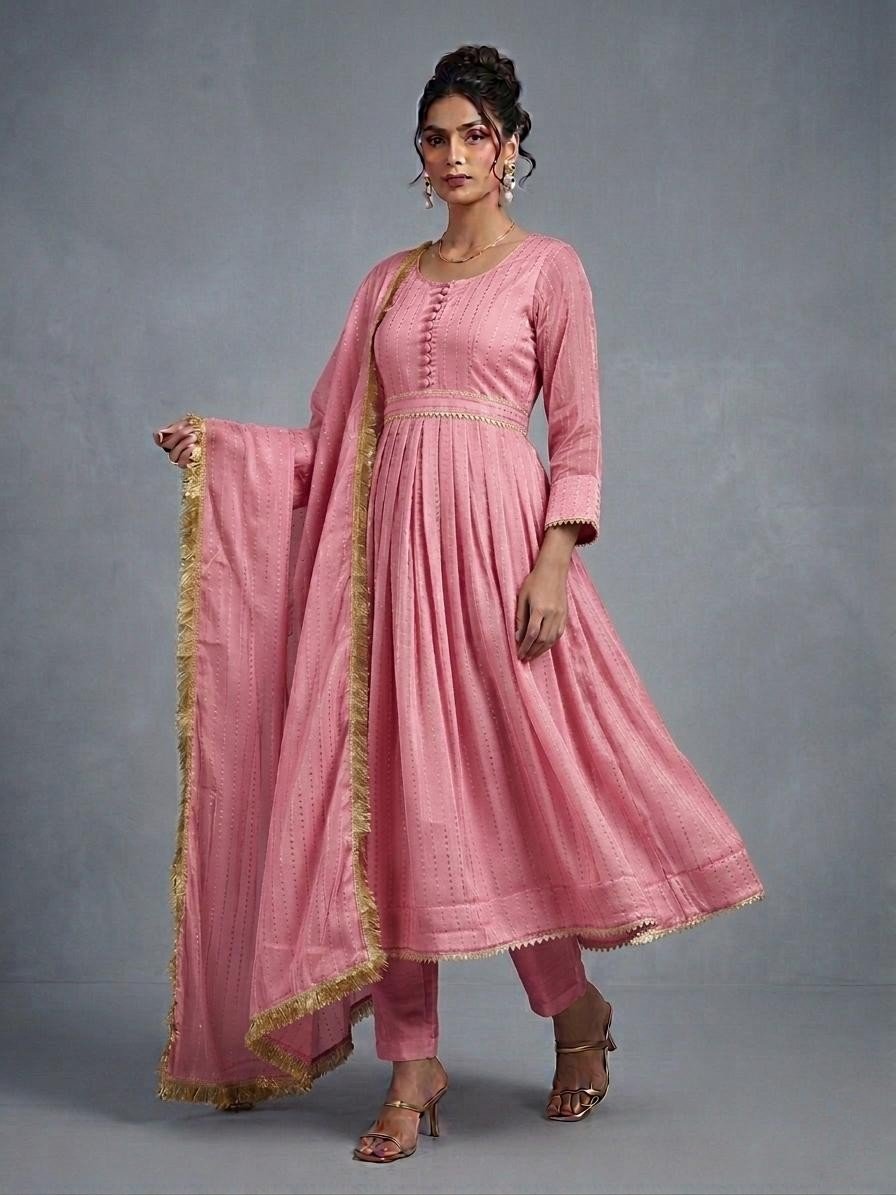
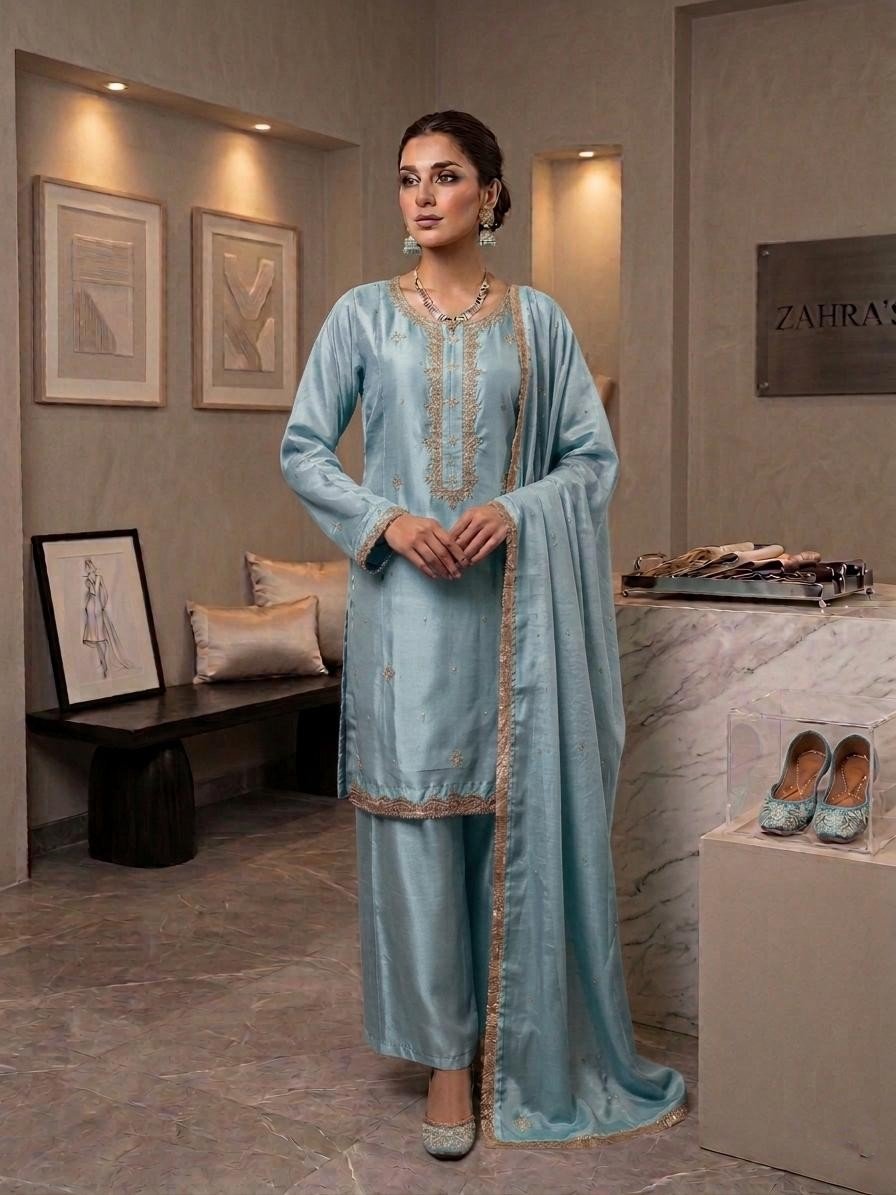
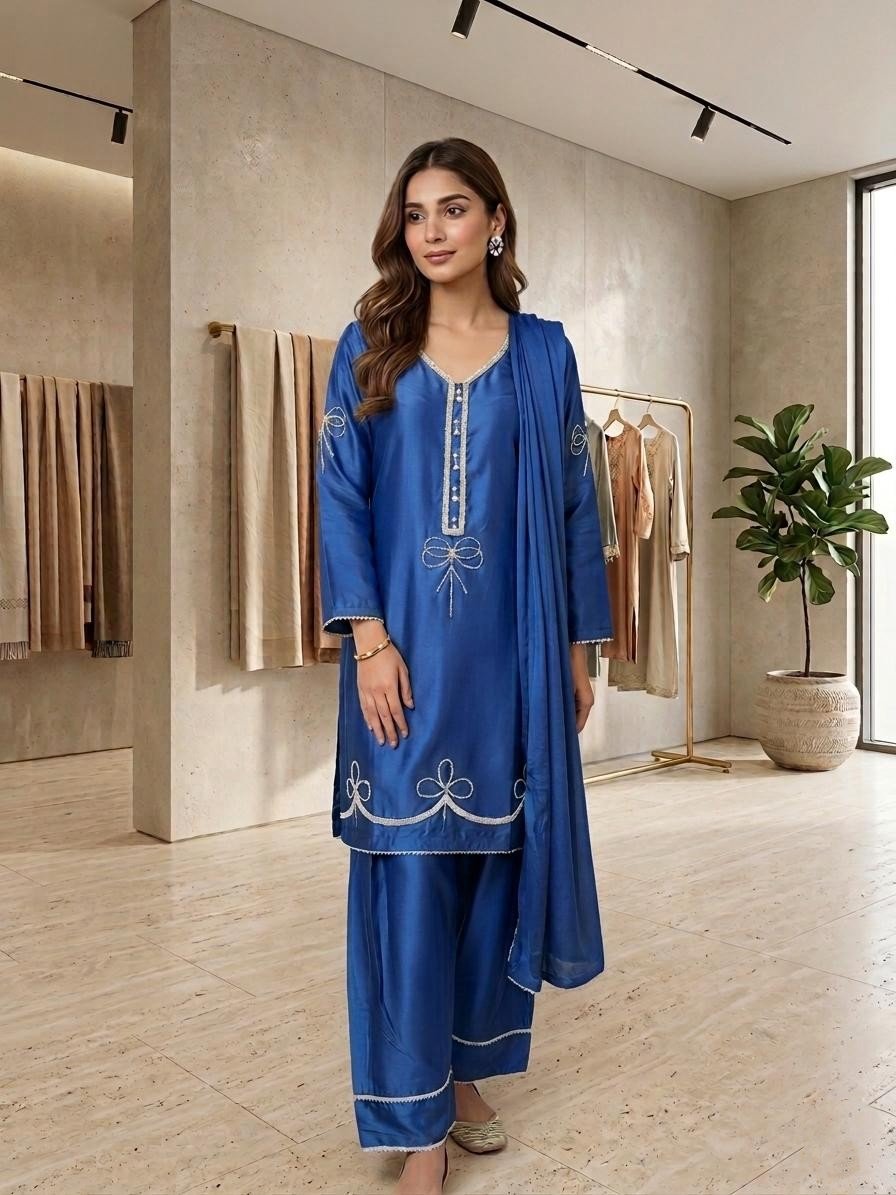
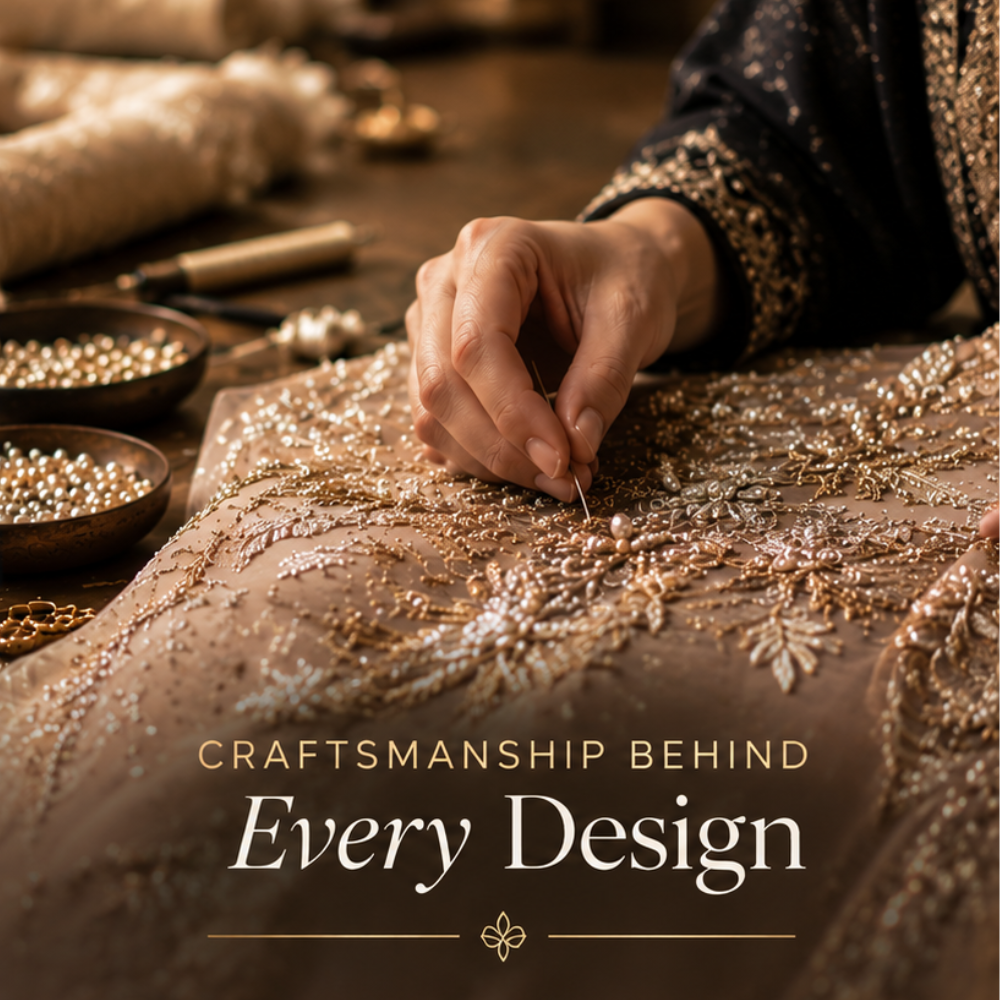
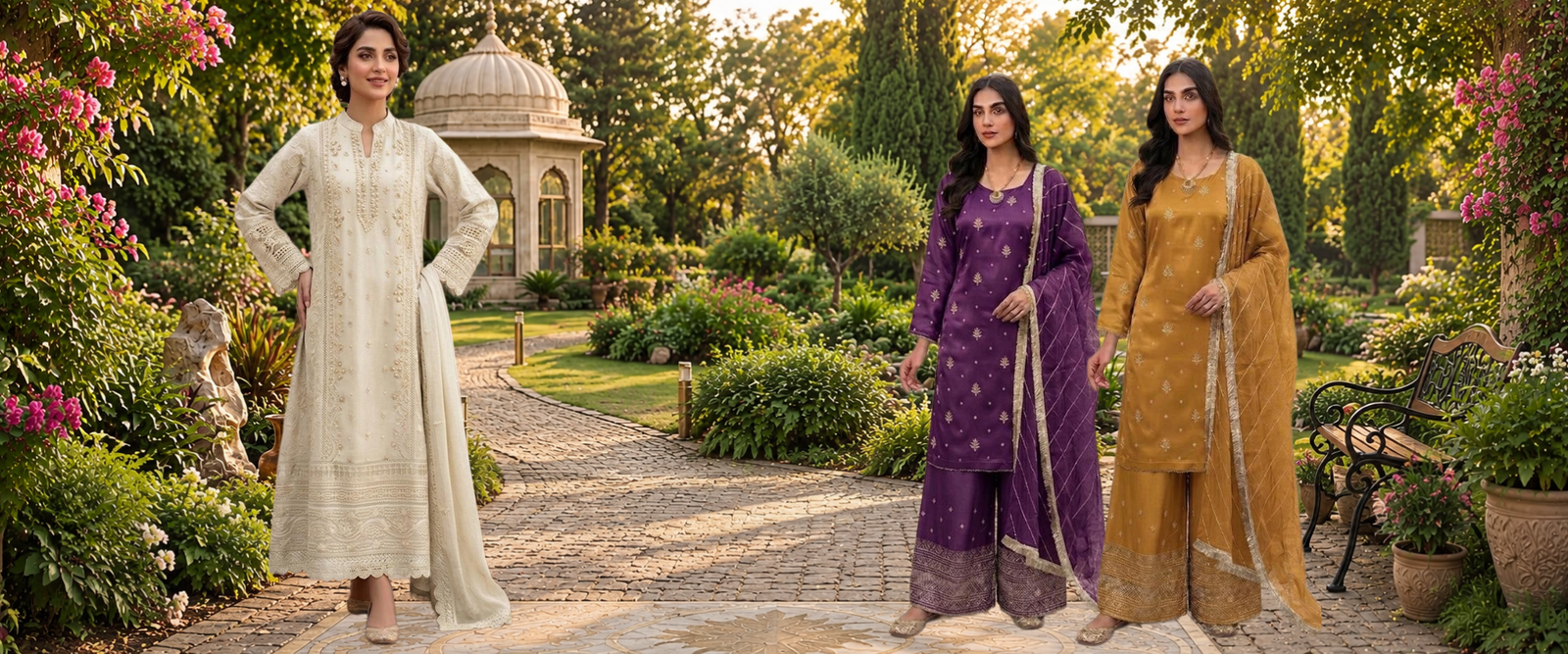
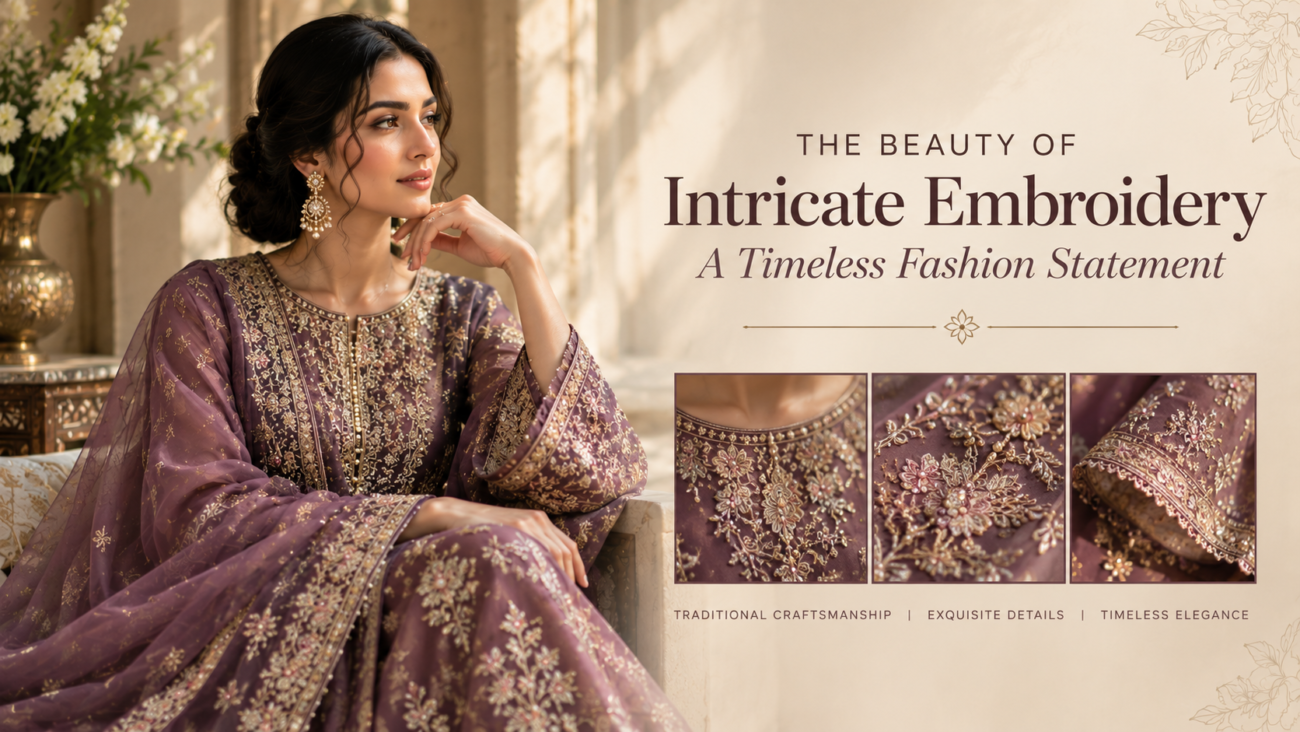
Embroidery adds texture, character, and craftsmanship to traditional clothing. It can make an outfit feel distinctive while allowing you to express your preferred level of formality.
When building your wardrobe, consider how embroidery is used and whether the design suits the occasions you have in mind.
Delicate Embroidery for Everyday Elegance
Subtle embroidery along the neckline, sleeves, or hem can elevate a simple traditional suit without making it feel overly formal.
These designs are useful when you want an outfit that can transition between family gatherings and selected semi-formal events.
Statement Embroidery for Special Occasions
Heavily embroidered designs and elaborate embellishments can create a striking appearance for weddings and celebrations.
When choosing these outfits, consider how the fabric, silhouette, and decorative details work together.
Coordinate Accessories with Embroidery
Gold-toned details may complement warm colors, while silver-toned accessories can work beautifully with cooler shades. However, these are guidelines rather than strict rules.
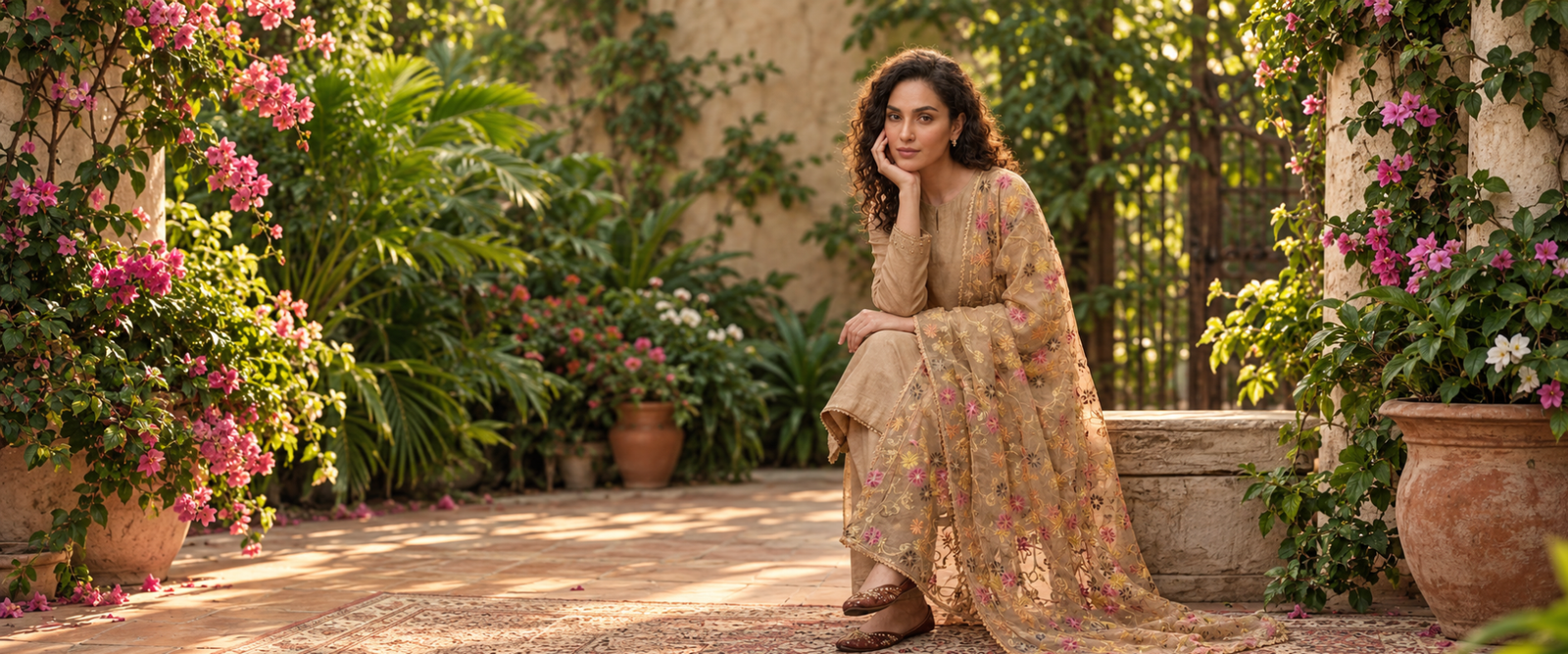
If the outfit features colorful embroidery, choose accessories that pick up one of its existing shades.
Balance Detailed Designs
An outfit with intricate embroidery often looks most polished when the remaining styling elements are thoughtfully balanced.
Simple earrings, understated footwear, or a clean handbag can help the craftsmanship stand out.
Style tip: Before purchasing an embroidered outfit, consider whether you prefer decorative necklines, detailed sleeves, statement borders, or all-over embroidery. Understanding your preferences helps you choose pieces you will enjoy wearing.
7. Use Accessories to Create Different Looks
Accessories are among the easiest ways to refresh traditional outfits. With a few carefully selected pieces, you can change the appearance of a familiar ensemble without purchasing another garment.
Jewelry
Statement earrings can enhance an embroidered outfit, while delicate jewelry can create an understated finish.
If your outfit features a heavily decorated neckline, consider skipping a necklace and allowing the embroidery to remain the focal point.
Footwear
Neutral sandals, elegant flats, classic pumps, and block heels can complement traditional outfits, depending on the occasion.
Choose footwear that suits the formality of the event and allows you to remain comfortable throughout the day.
Handbags and Clutches
A structured handbag may work well for daytime gatherings, while a refined clutch can complement formal celebrations.
Neutral shades are versatile, but a complementary accent color can add personality to a simpler ensemble.
Dupattas and Draping
Changing the way you style your dupatta can create a noticeably different appearance.
A neatly draped dupatta may suit a formal event, while a relaxed drape can feel more comfortable for a casual gathering. Choose a style that works with the garment and allows you to move freely.
Hairstyles
A sleek bun, soft waves, or a simple updo can complement traditional clothing.
Your hairstyle can also highlight particular accessories. An updo, for example, can draw attention to statement earrings.
Style tip: Build a small collection of accessories that coordinate with several outfits. This can make it easier to create fresh combinations from clothing you already own.
8. Build a Capsule Ethnic Wardrobe
A capsule wardrobe consists of a carefully selected group of pieces that work well together. Applying this idea to traditional fashion can help you create a collection that is versatile, practical, and elegant.
Rather than buying numerous outfits for individual occasions, begin with a few pieces that suit your lifestyle.
Start with Versatile Essentials
Consider including:
A classic embroidered suit in a color you wear frequently.
A neutral or understated traditional outfit.
A festive ensemble with more decorative detailing.
A coordinated set of separates that can be styled in different ways.
A dupatta that complements several outfits.
Versatile jewelry, footwear, and a handbag.
Your ideal collection will depend on your preferences, budget, and the occasions you attend.
Choose Pieces That Work Together
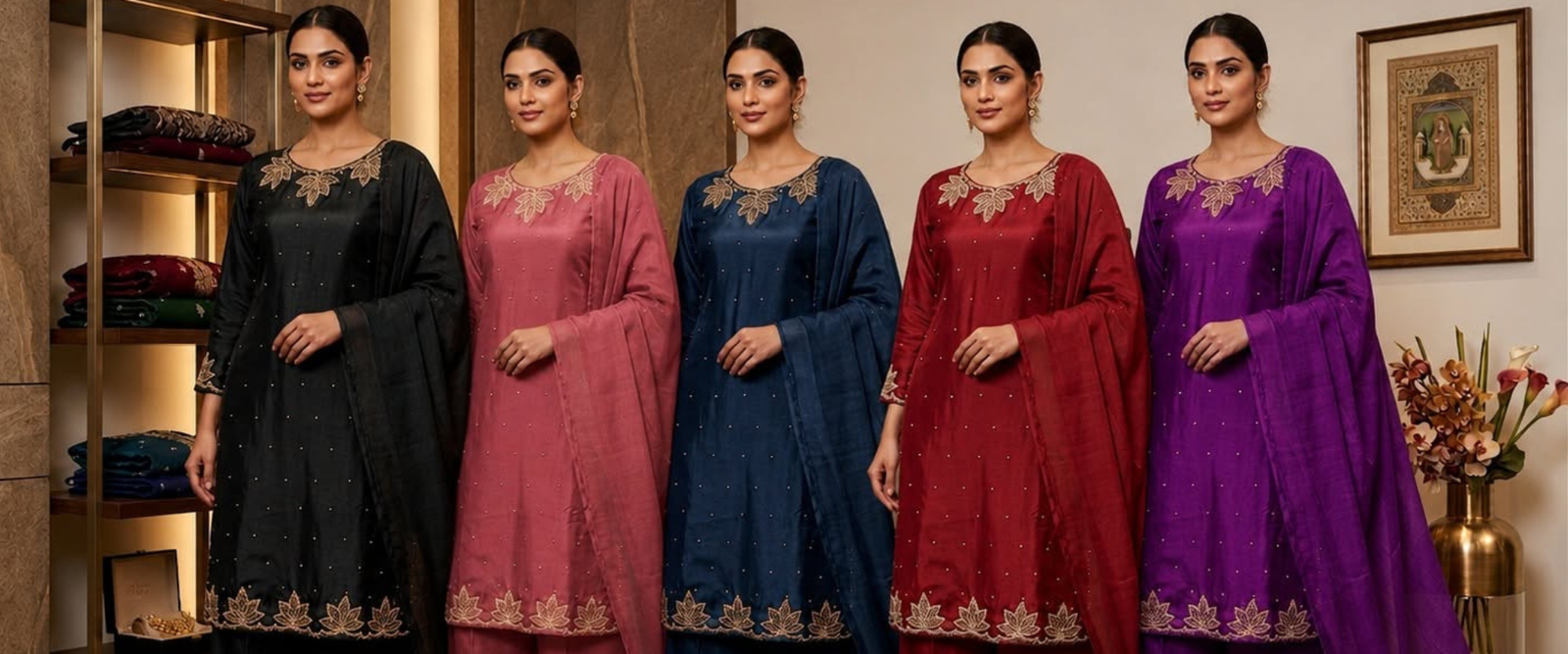
Look for colors, fabrics, and designs that coordinate naturally.
When your outfits share a complementary color palette, it becomes easier to reuse accessories and create different combinations.
Prioritize Fit and Quality
Pay attention to fabric, stitching, finishing, and comfort when choosing traditional clothing.
An outfit you enjoy wearing and can care for properly may offer greater long-term value than a piece purchased only because it is trending.
Plan Purchases Around Your Needs
Before shopping, review the outfits you already own and identify any genuine gaps.
If you already have several formal suits, a versatile outfit for family gatherings may be more useful than another heavily embellished ensemble.
Style tip: Think of your ethnic wardrobe as a collection of pieces that work together, not simply a list of individual outfits.
9. Refresh Your Traditional Outfits Without Buying New Clothes
Creating new looks does not always require purchasing something new. Small styling changes can help you enjoy your existing wardrobe in fresh ways.
Change Your Jewelry
Try pairing an embroidered suit with statement earrings for one occasion and minimal jewelry for another.
This simple change can alter the overall feel of the outfit.
Experiment with Dupatta Styling
A different drape can change the silhouette and create a fresh appearance.
Try a neatly arranged drape for formal events or a relaxed style for a casual gathering, depending on the garment.
Switch Your Footwear
Elegant flats can create a more relaxed look, while heels may make an outfit feel more formal.
Choose footwear that suits both the event and your comfort.
Introduce a Contrasting Accessory
A clutch or dupatta in a complementary shade can add visual interest to a simple outfit.
Use colors already present in the embroidery as inspiration for a coordinated appearance.
Adapt Your Hairstyle
Changing your hairstyle can help create a different overall look.
Choose a style that complements the neckline, jewelry, and formality of the occasion.
Refreshing your outfits through thoughtful styling can help you make better use of your wardrobe while expressing your creativity.
10. Care for Your Ethnic Wear to Preserve Its Beauty
An elegant wardrobe deserves proper care. Traditional outfits may feature delicate fabrics, intricate embroidery, and decorative embellishments that require careful handling.
Follow Fabric Care Instructions
Always check the garment's care label before washing, ironing, or dry cleaning.
Some outfits may be suitable for gentle washing, while silk, heavily embroidered garments, and delicate embellishments may require professional cleaning.
Store Outfits Properly
Make sure clothing is clean and completely dry before long-term storage.
Use a suitable hanging or folding method based on the fabric, garment weight, and embroidery. Heavy embellished outfits may stretch if stored on unsuitable hangers.
Protect Embroidery
Avoid pulling loose threads or pressing an iron directly onto decorative details.
Store embellished garments carefully to reduce friction and prevent beads, sequins, and embroidery from catching on other clothing.
Address Damage Promptly
If you notice loose stitching, missing embellishments, or a stubborn stain, seek appropriate repair or cleaning advice before the issue worsens.
Proper care helps maintain the appearance of your traditional outfits and allows you to enjoy them across more occasions.
11. Common Mistakes to Avoid When Building an Ethnic Wardrobe
A versatile wardrobe is built through thoughtful choices rather than constant shopping. Avoid these common mistakes when selecting traditional clothing.
Buying outfits only because they are trending: Trends can inspire your style, but choose pieces you genuinely enjoy wearing.
Ignoring comfort: An outfit should allow you to move comfortably, especially during long celebrations.
Choosing too many similar designs: Consider variety in color, silhouette, embroidery, and formality.
Over-accessorizing: If your outfit features elaborate embroidery, let the decorative details stand out by keeping other elements balanced.
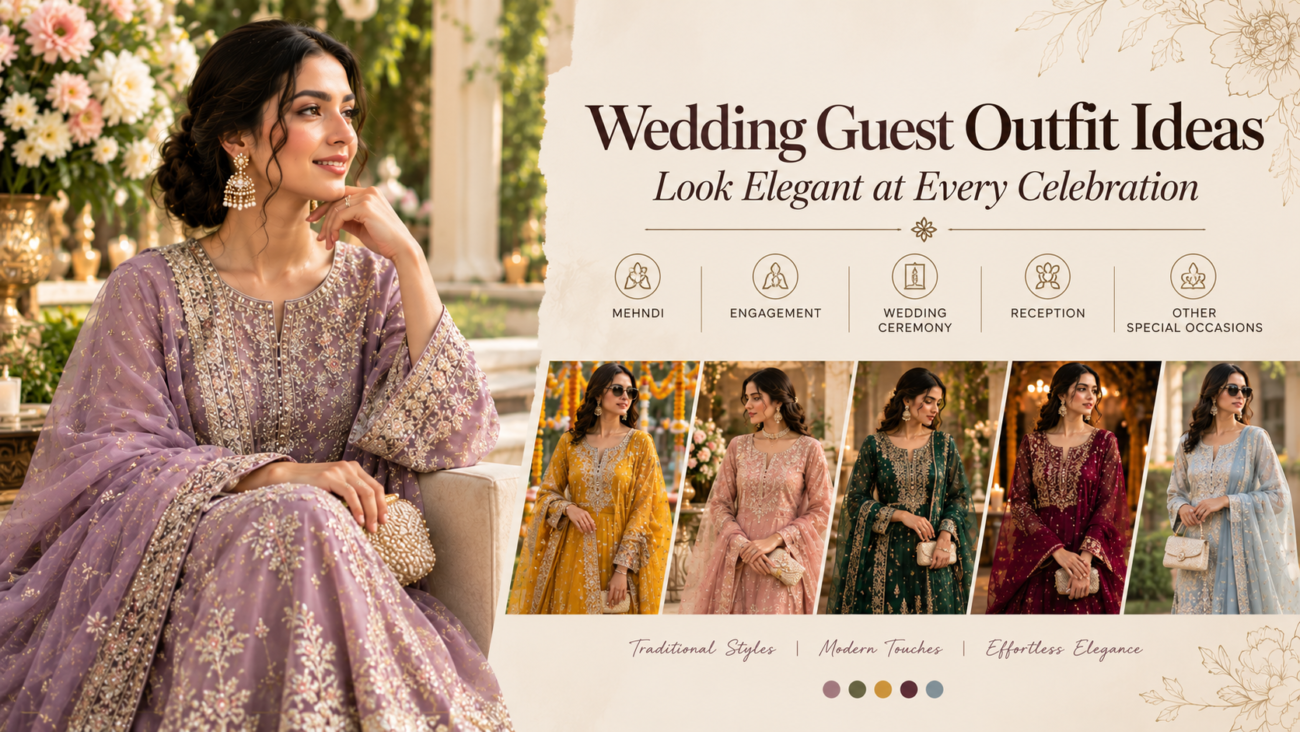
Forgetting the occasion: Consider the event's dress code, setting, and time of day before choosing your outfit.
Neglecting garment care: Delicate fabrics and embellishments may require special cleaning and storage methods.
Buying without considering your existing wardrobe: Think about how a new outfit will coordinate with your accessories and other garments.
Avoiding these mistakes can help you build a more useful, cohesive, and personal collection of traditional clothing.
12. Discover Timeless Ethnic Style with Style Icon
Building an elegant ethnic wardrobe is a journey of discovering the designs, colors, and details that make you feel confident.
From delicate embroidery and classic silhouettes to rich festive shades and contemporary styling, traditional fashion offers countless ways to express your personality.
The most versatile wardrobe combines occasion-ready pieces with designs that can be styled in different ways. By choosing thoughtfully, coordinating accessories, and caring for your clothing properly, you can create outfits for festive gatherings, formal occasions, and memorable celebrations.
At Style Icon, we appreciate the beauty of traditional fashion and the details that make each design special. Whether you prefer understated elegance or richly embroidered statement pieces, explore styles that complement your taste and help you celebrate every occasion with confidence.
Style Icon — Where Elegance Meets Style.
Final Thoughts
An elegant ethnic wardrobe does not need to be large to be versatile. A carefully chosen collection of traditional outfits, coordinated accessories, and timeless colors can help you dress confidently for a wide range of occasions.
Start with pieces that reflect your personal style, add festive and formal options according to your needs, and experiment with accessories to create fresh combinations.
Most importantly, choose clothing that makes you feel comfortable, confident, and authentically yourself.
With thoughtful choices and a little creativity, your traditional wardrobe can become a collection of timeless styles ready for everything from festive gatherings to life's most memorable events.
Explore your style with Style Icon — Where Elegance Meets Style.