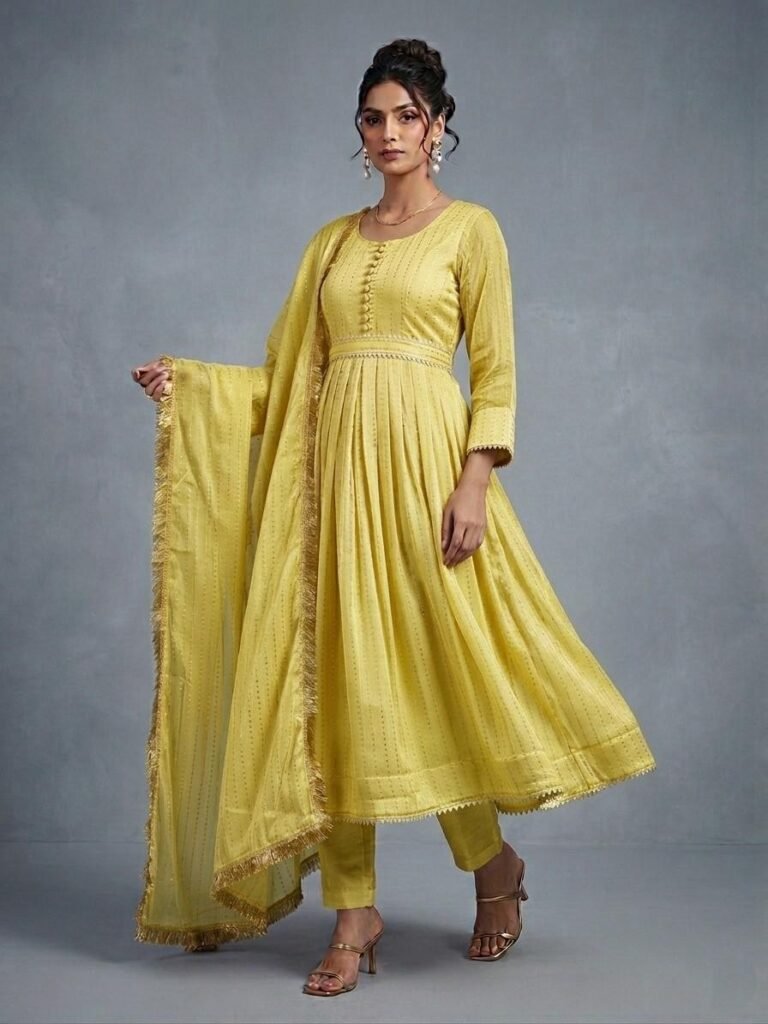
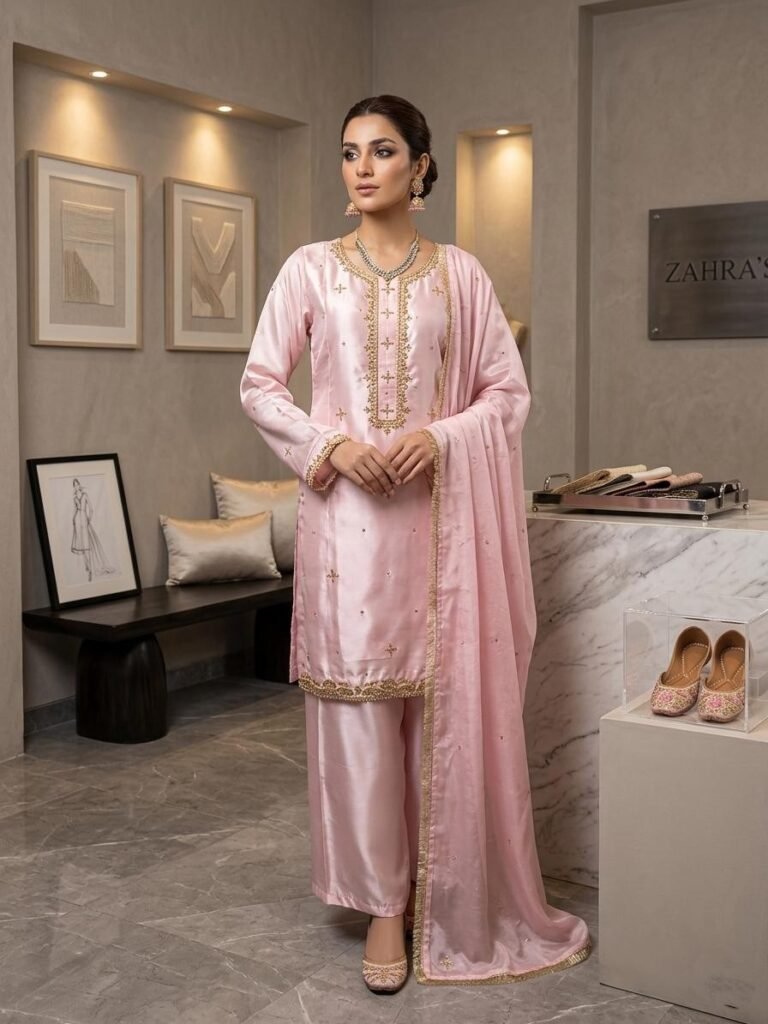
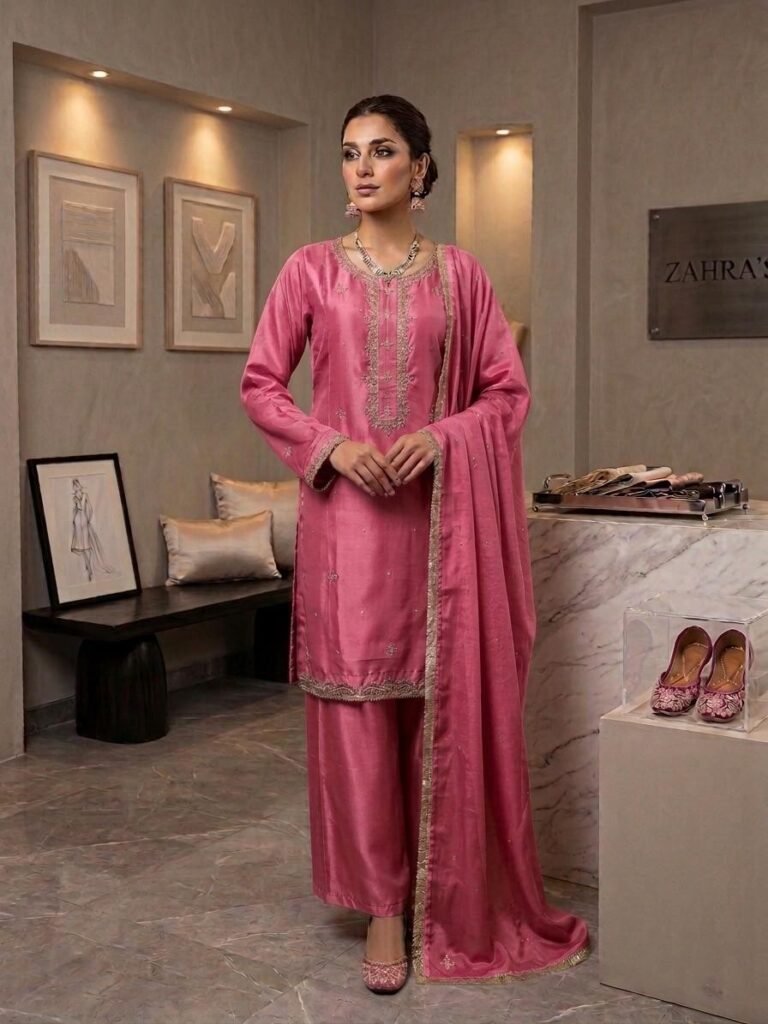
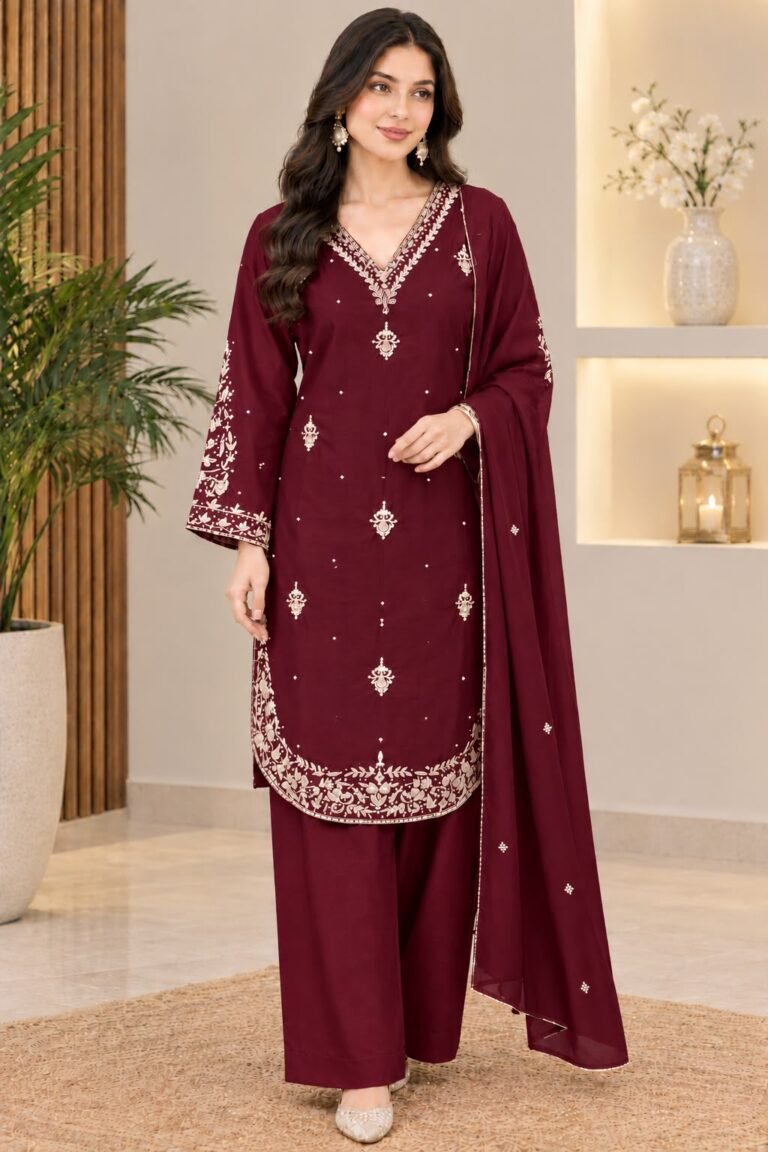
Gold Embroidery
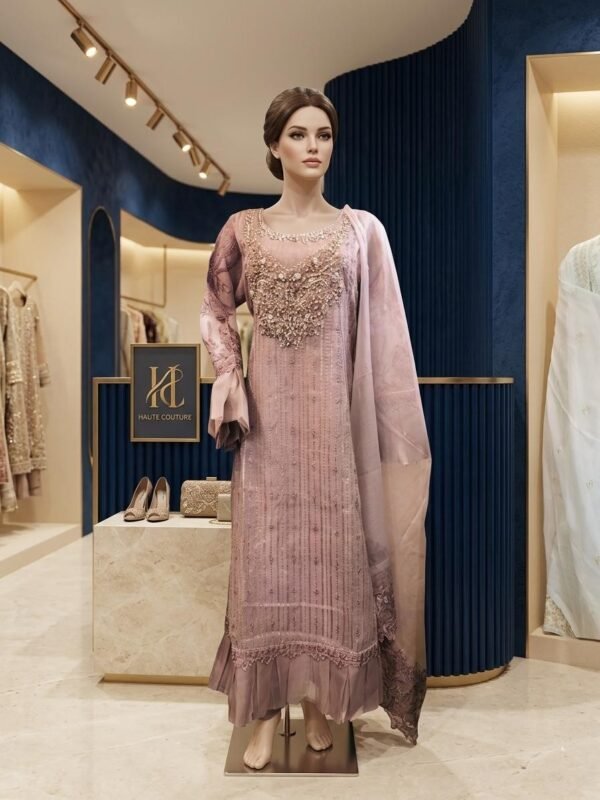
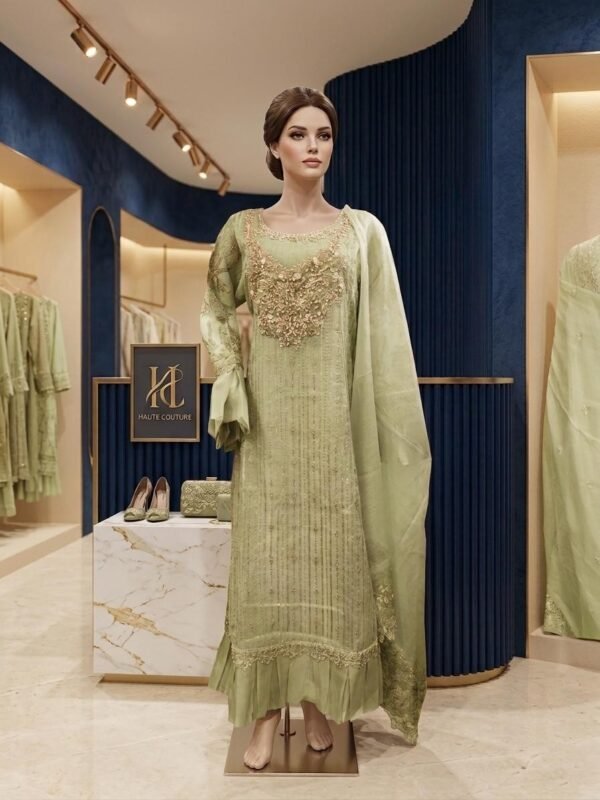
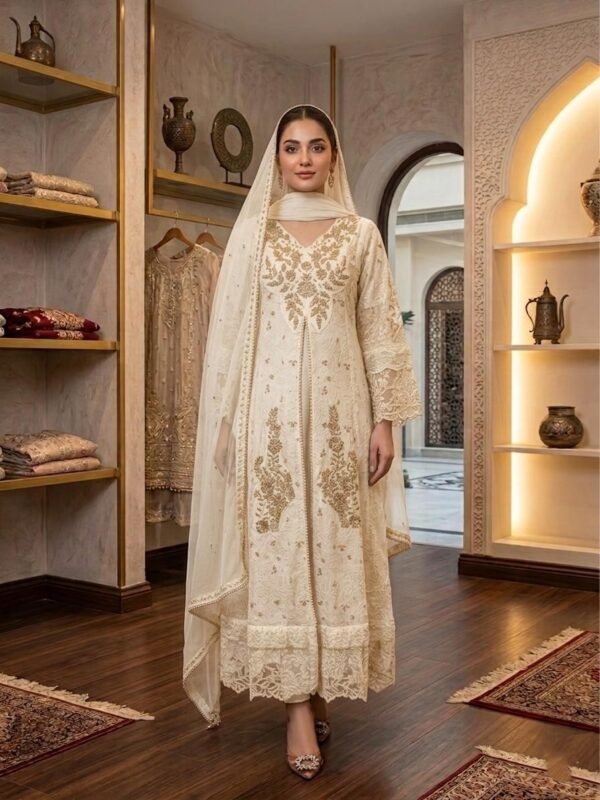
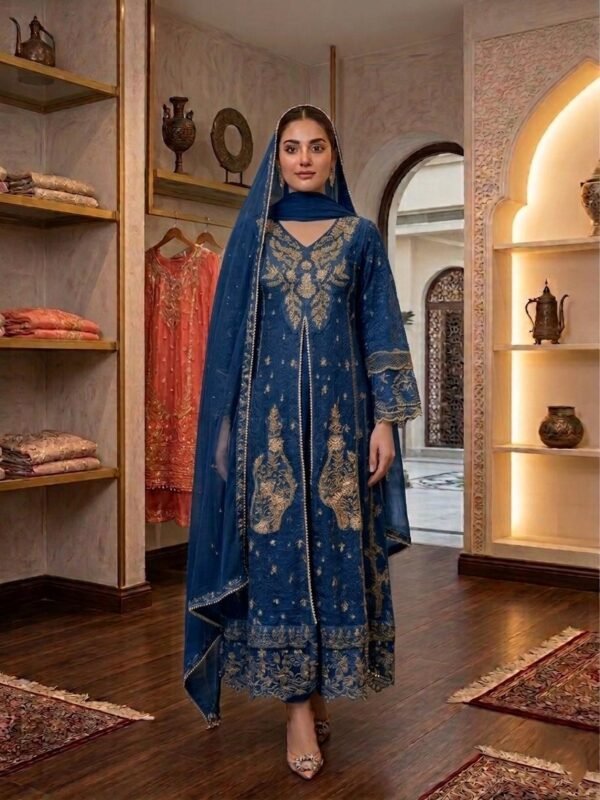
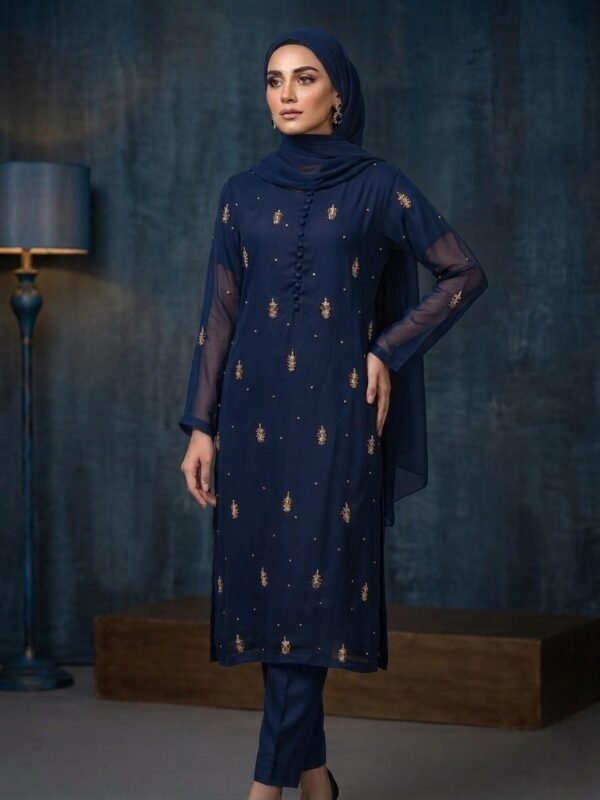
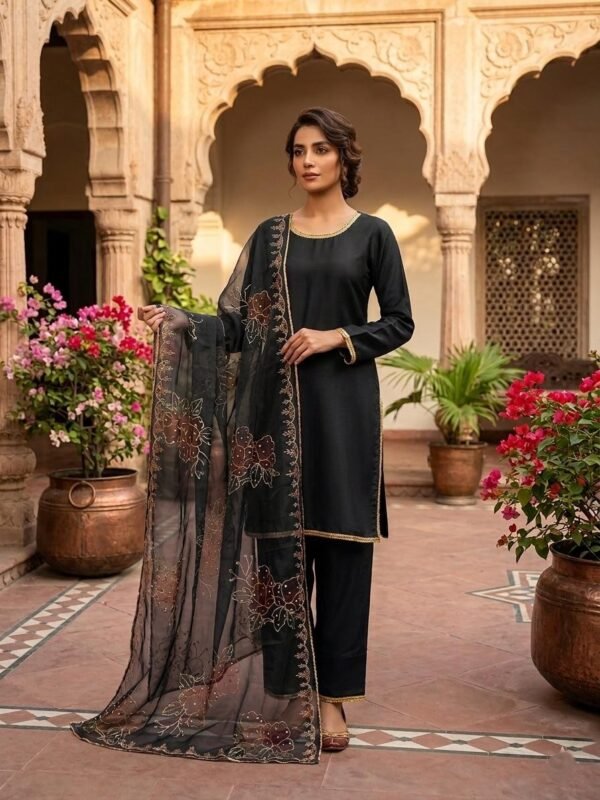
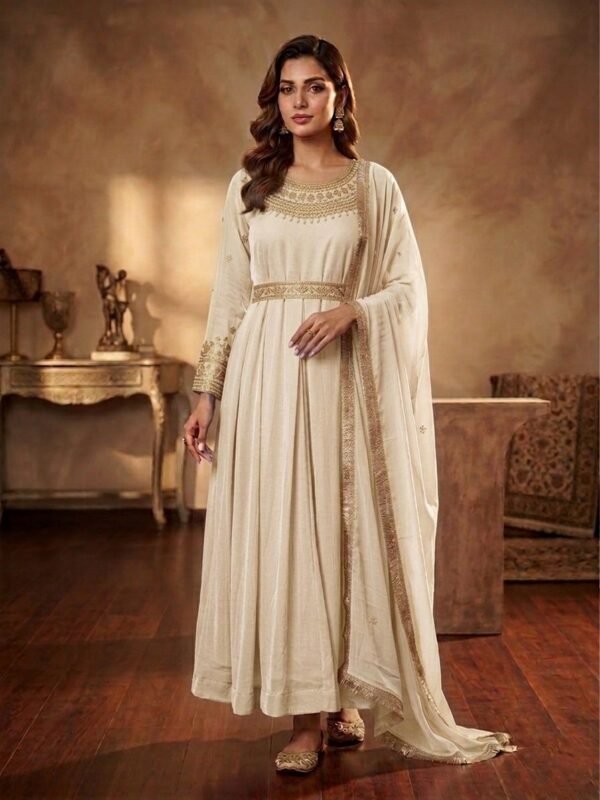
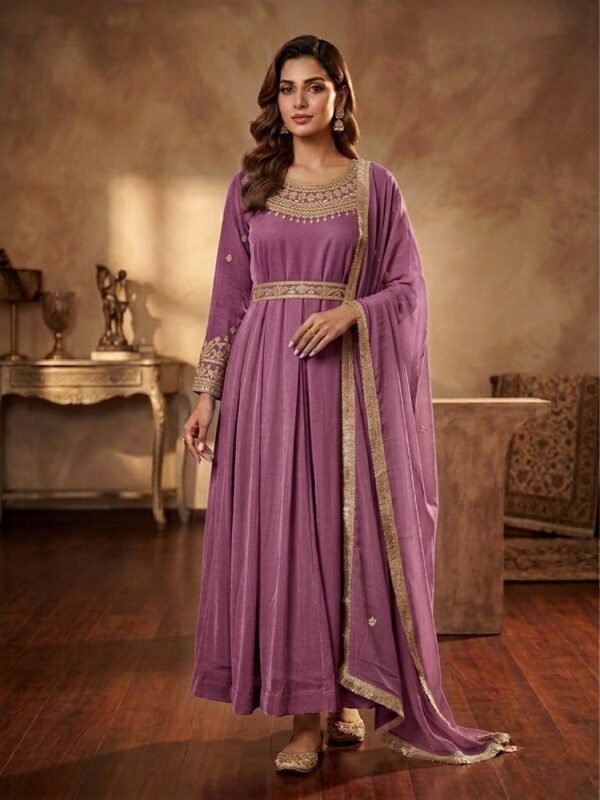
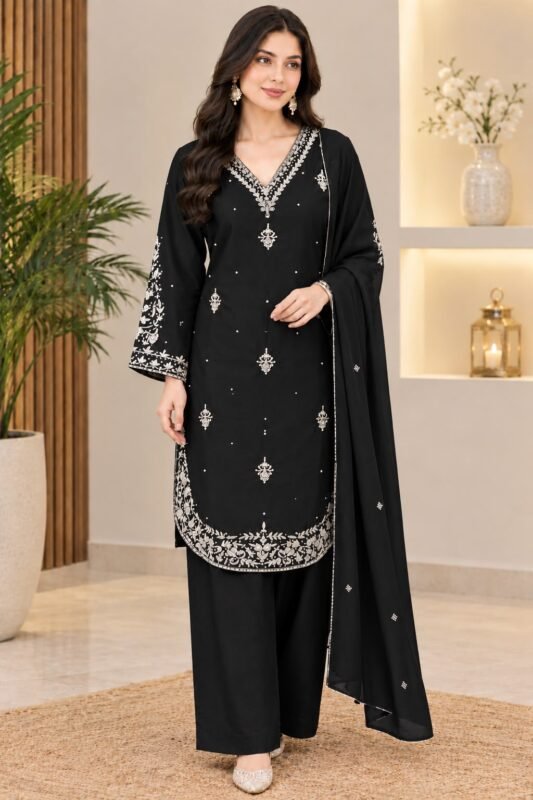
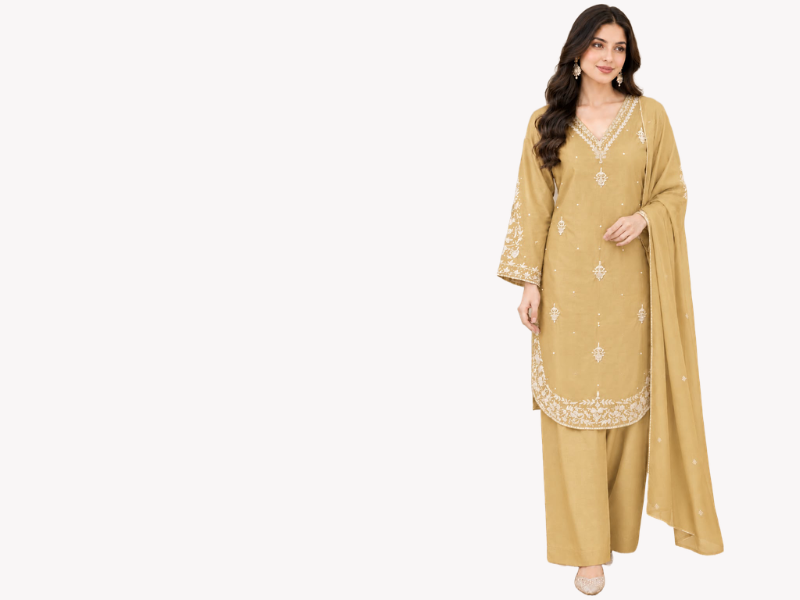
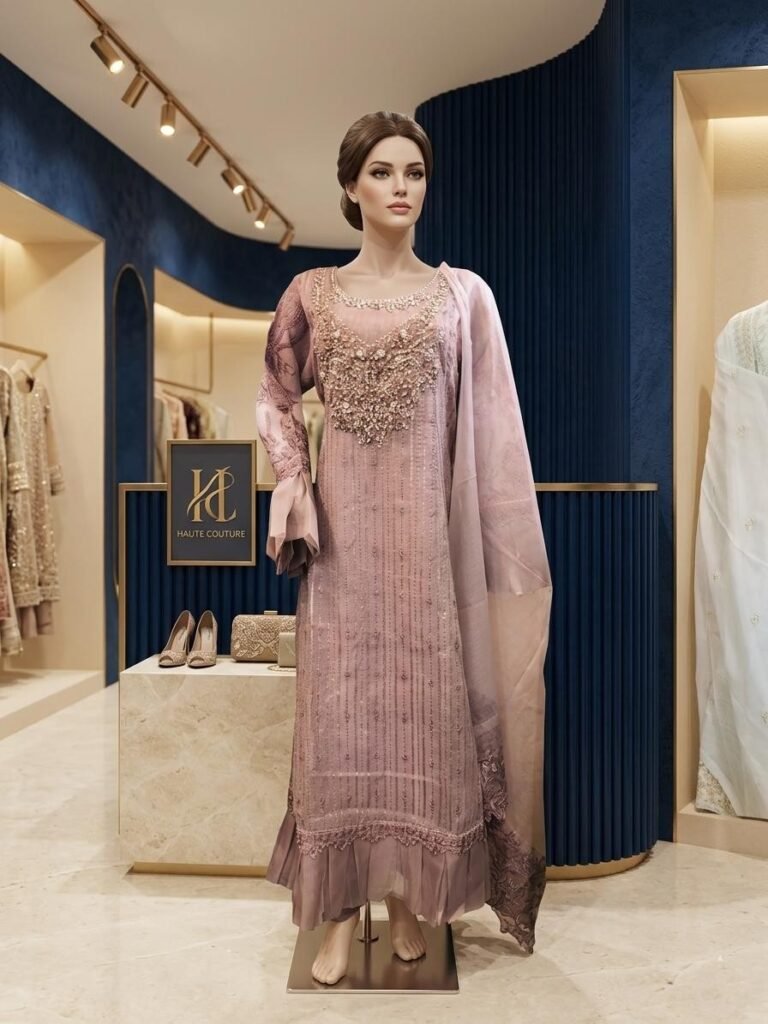
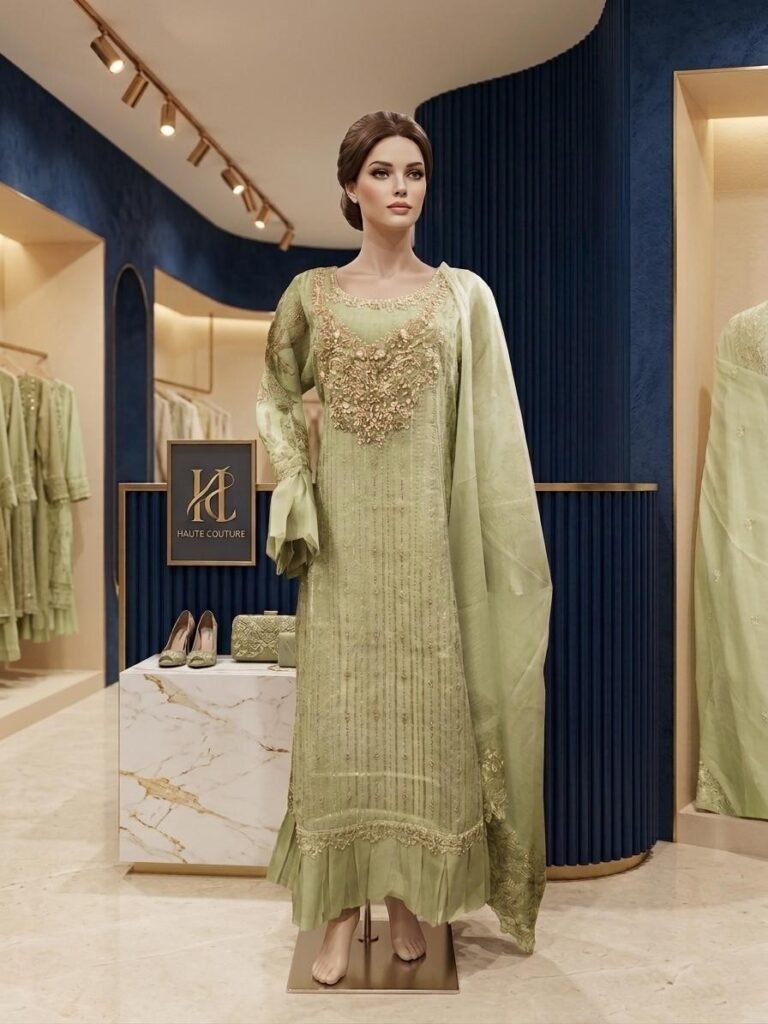
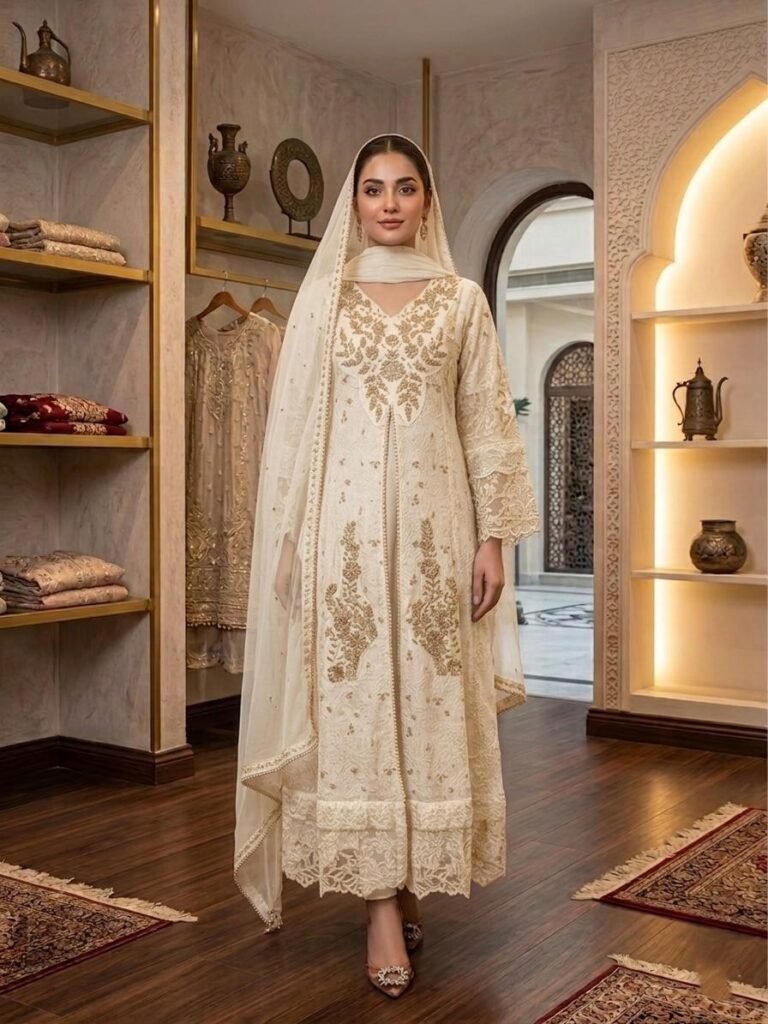
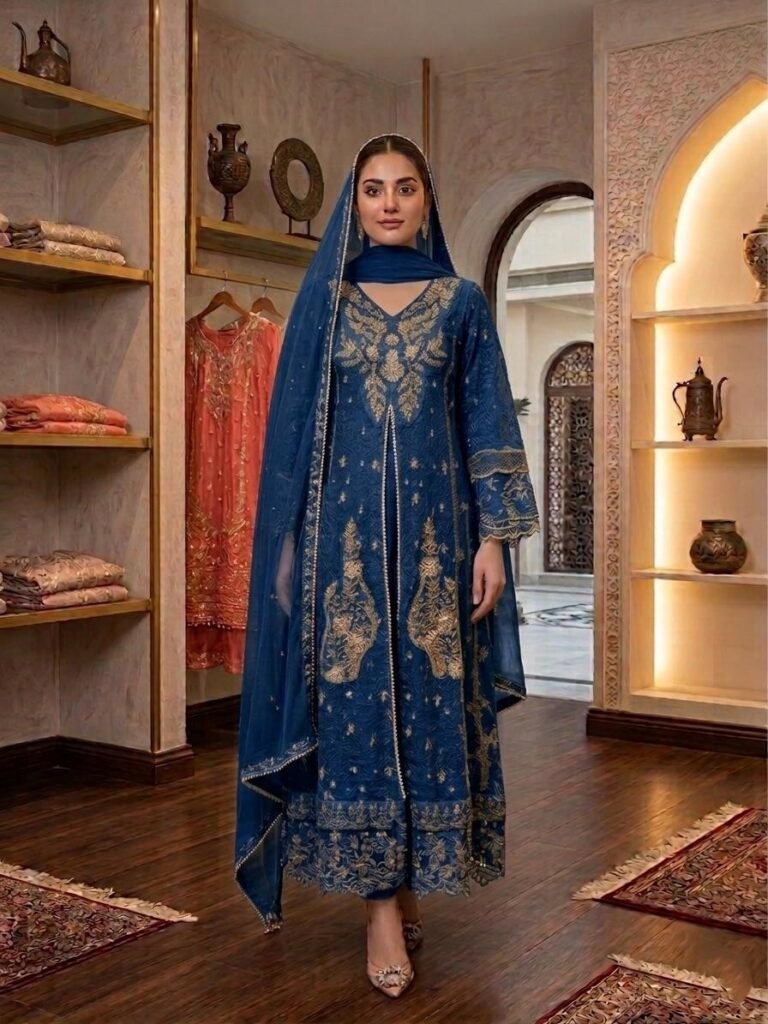
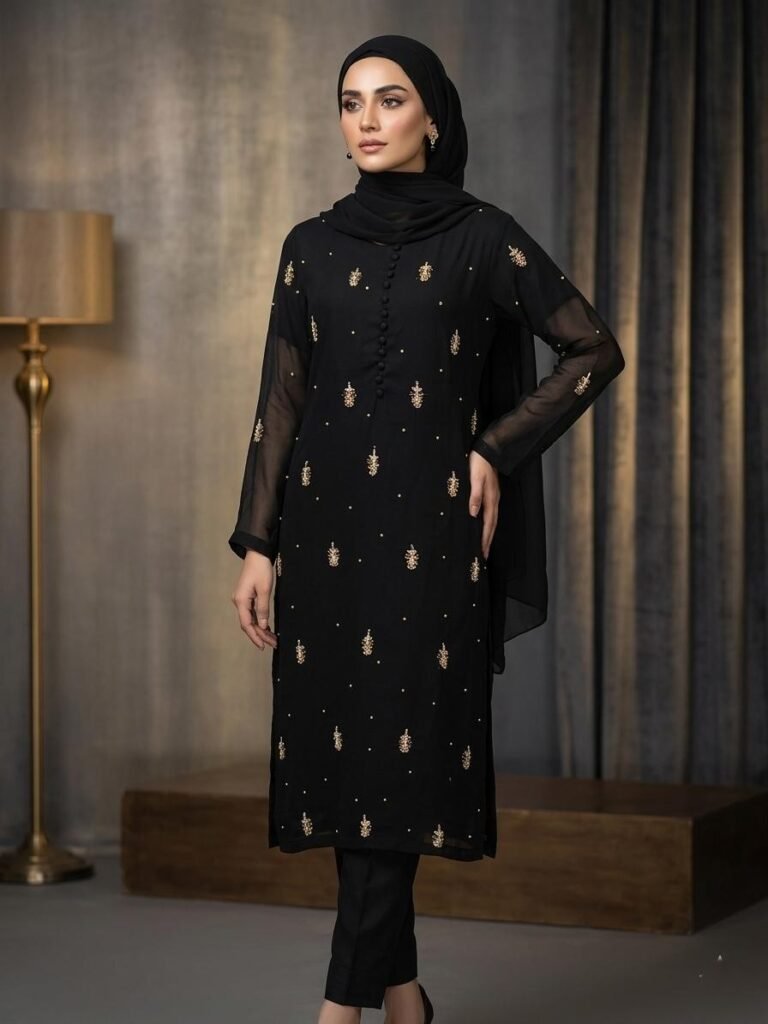
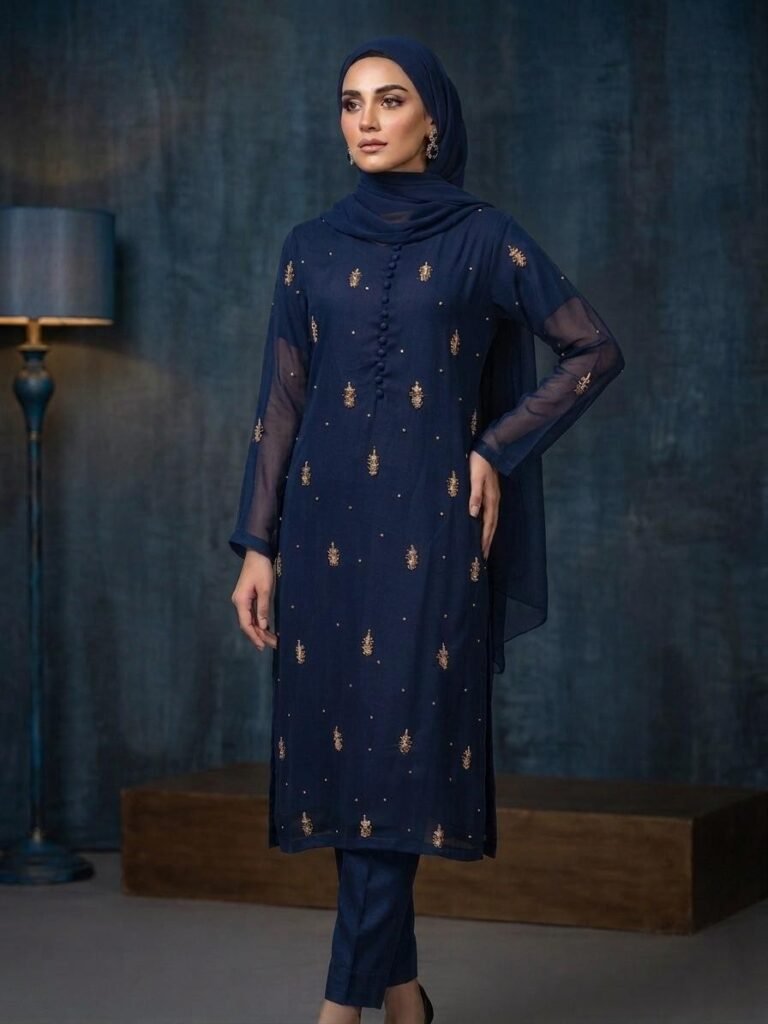
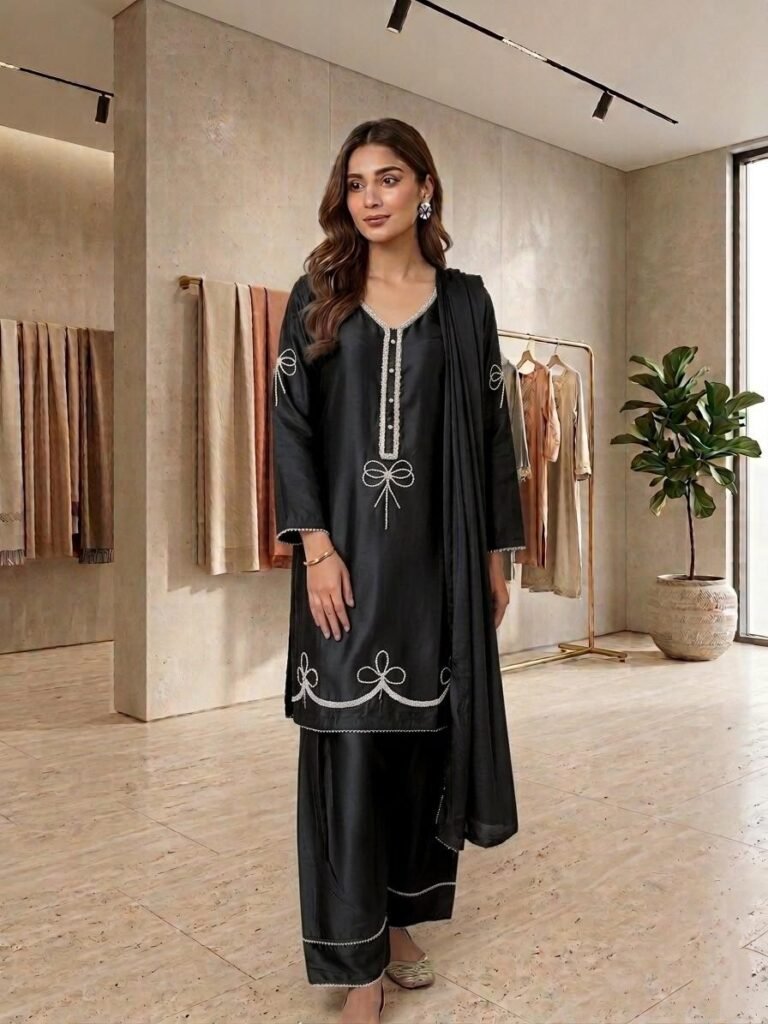
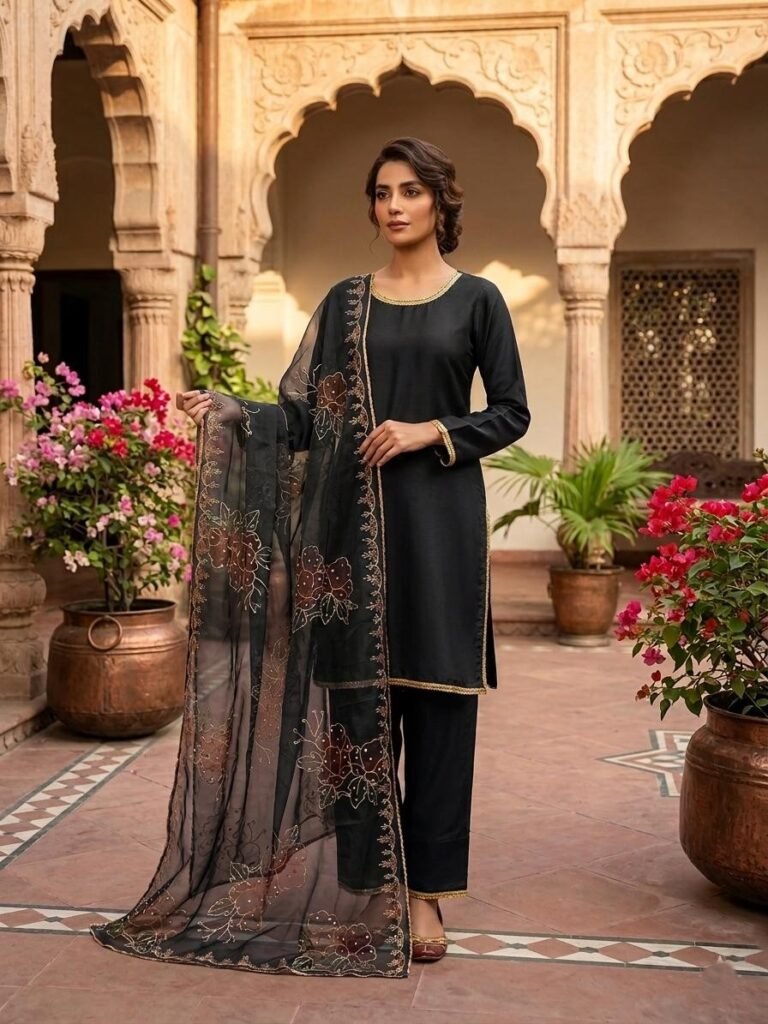
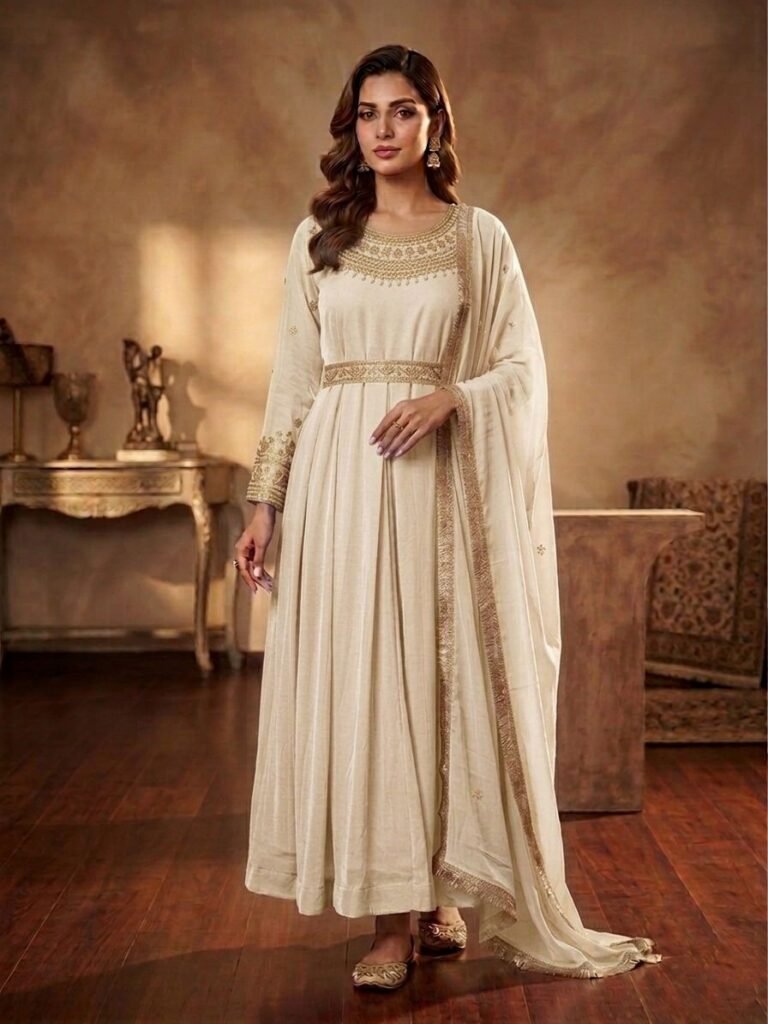
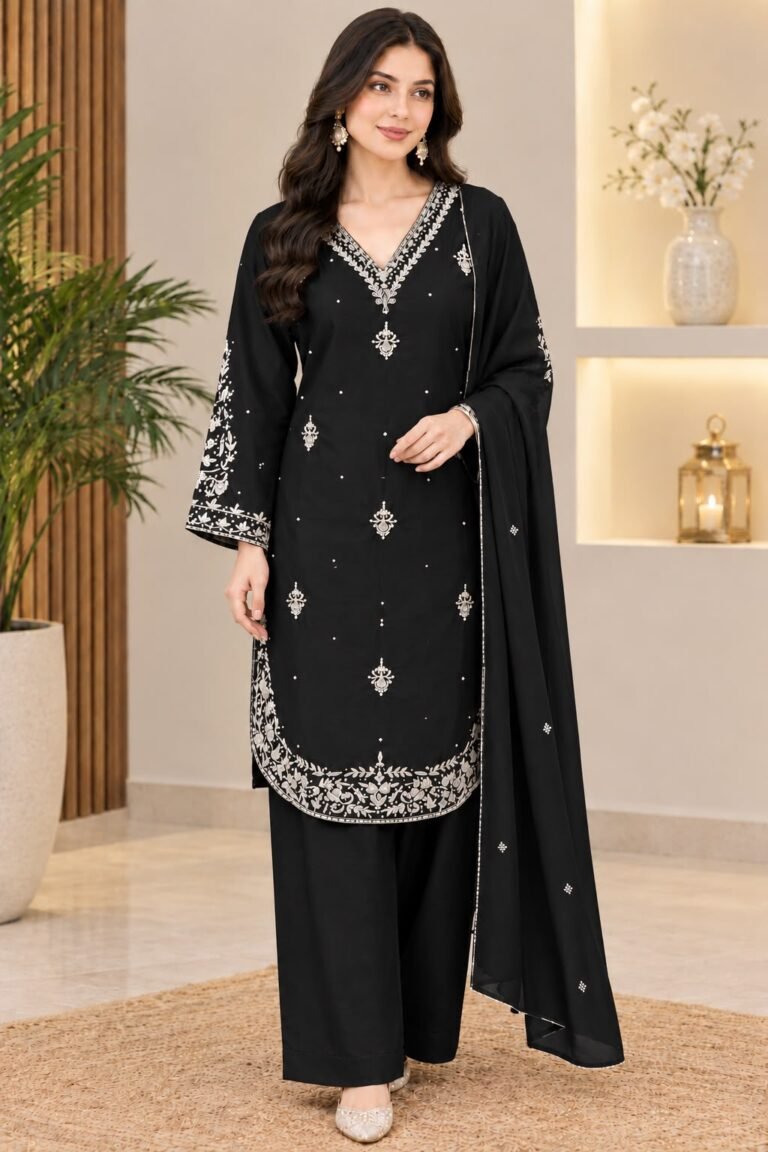
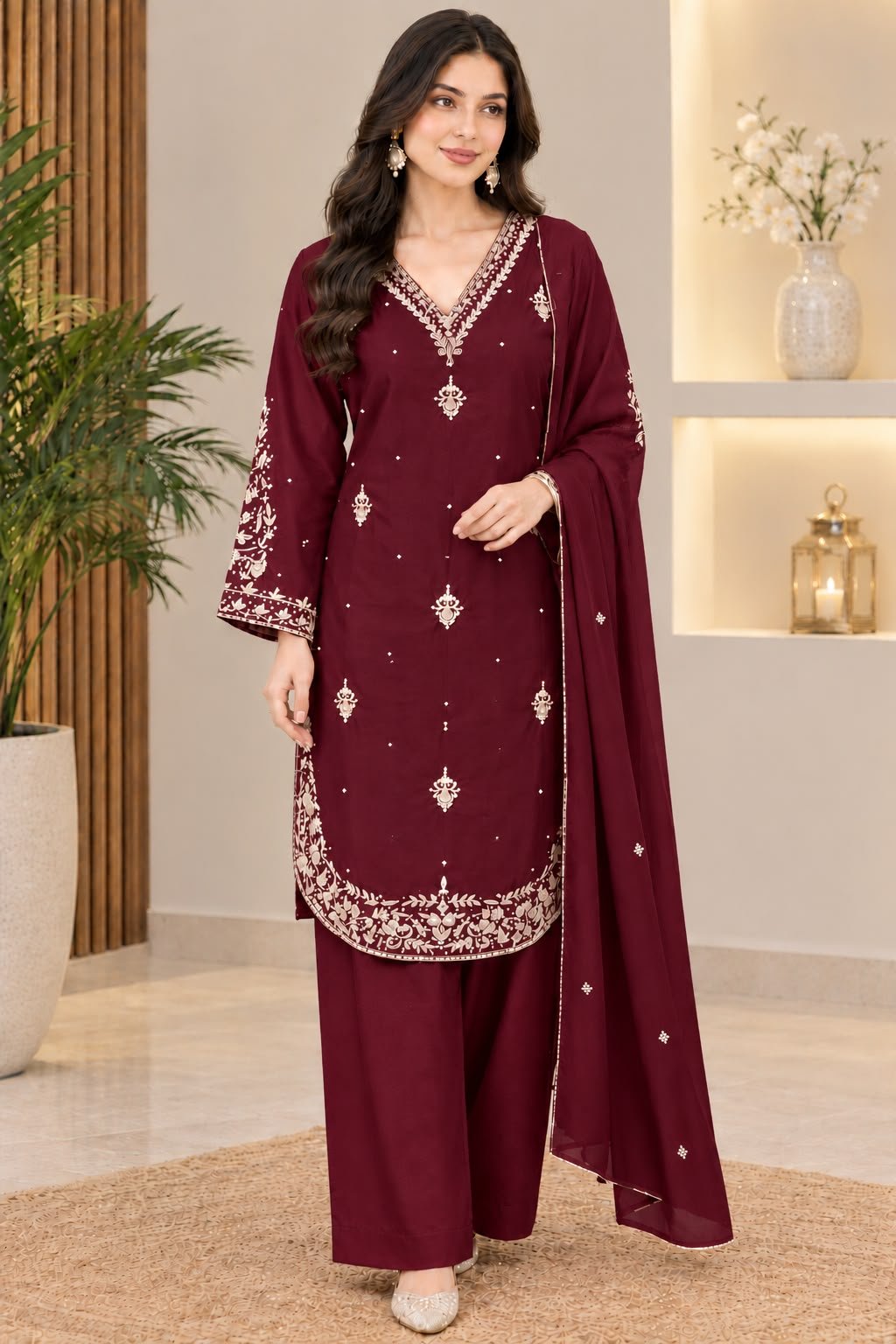
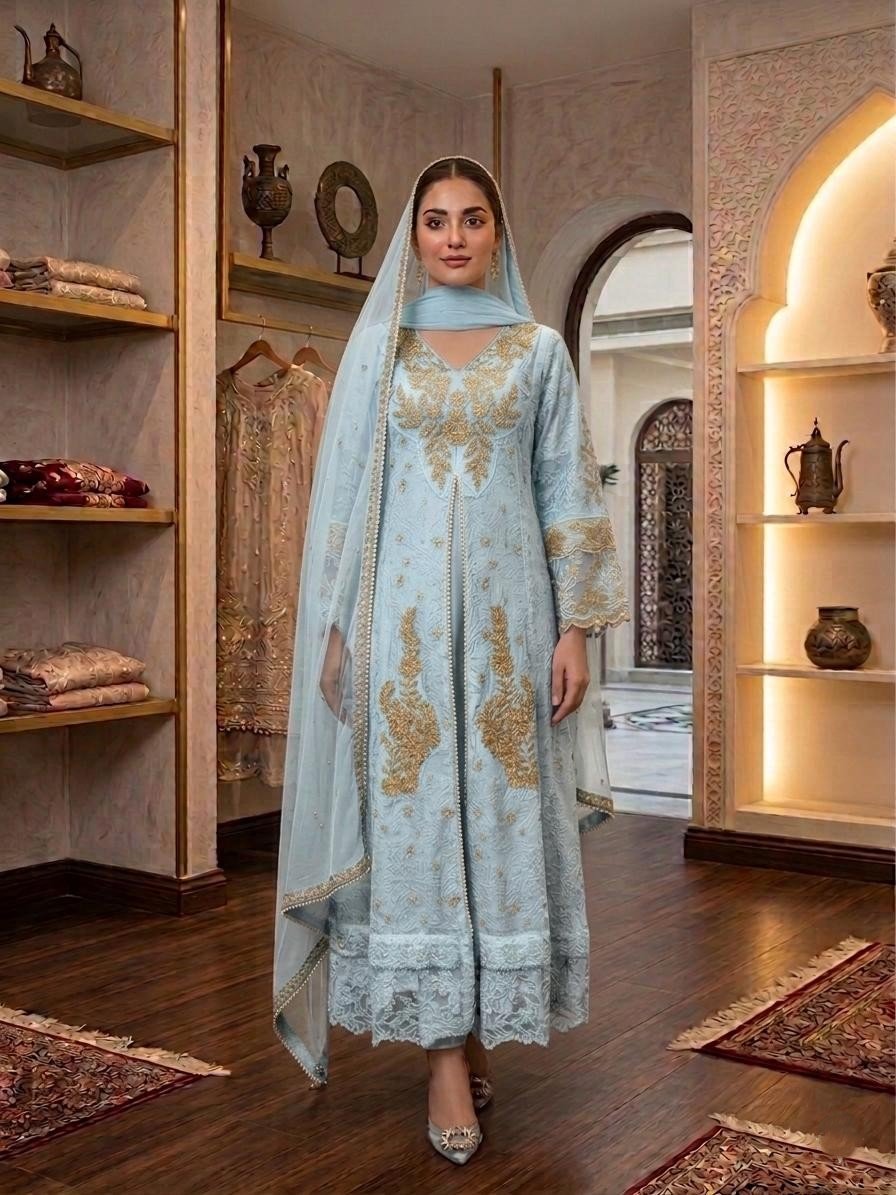
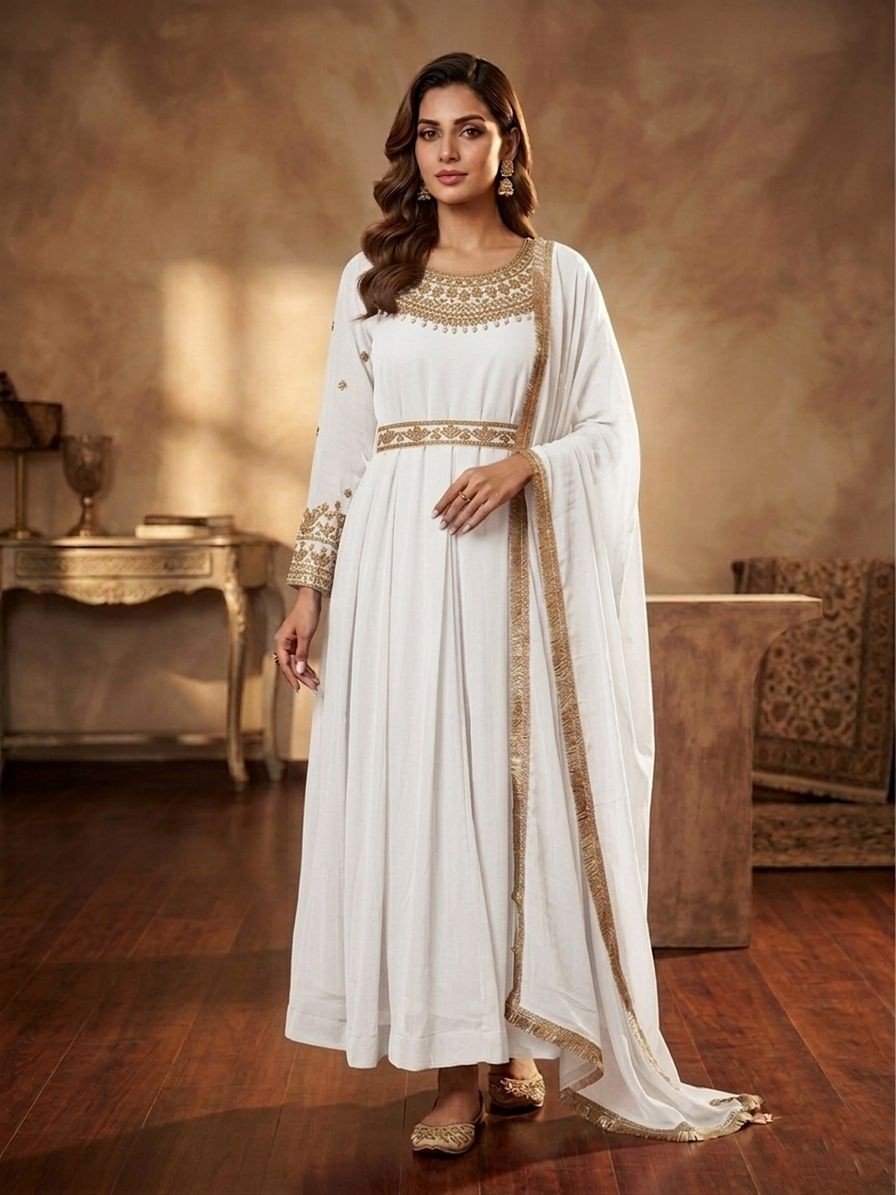
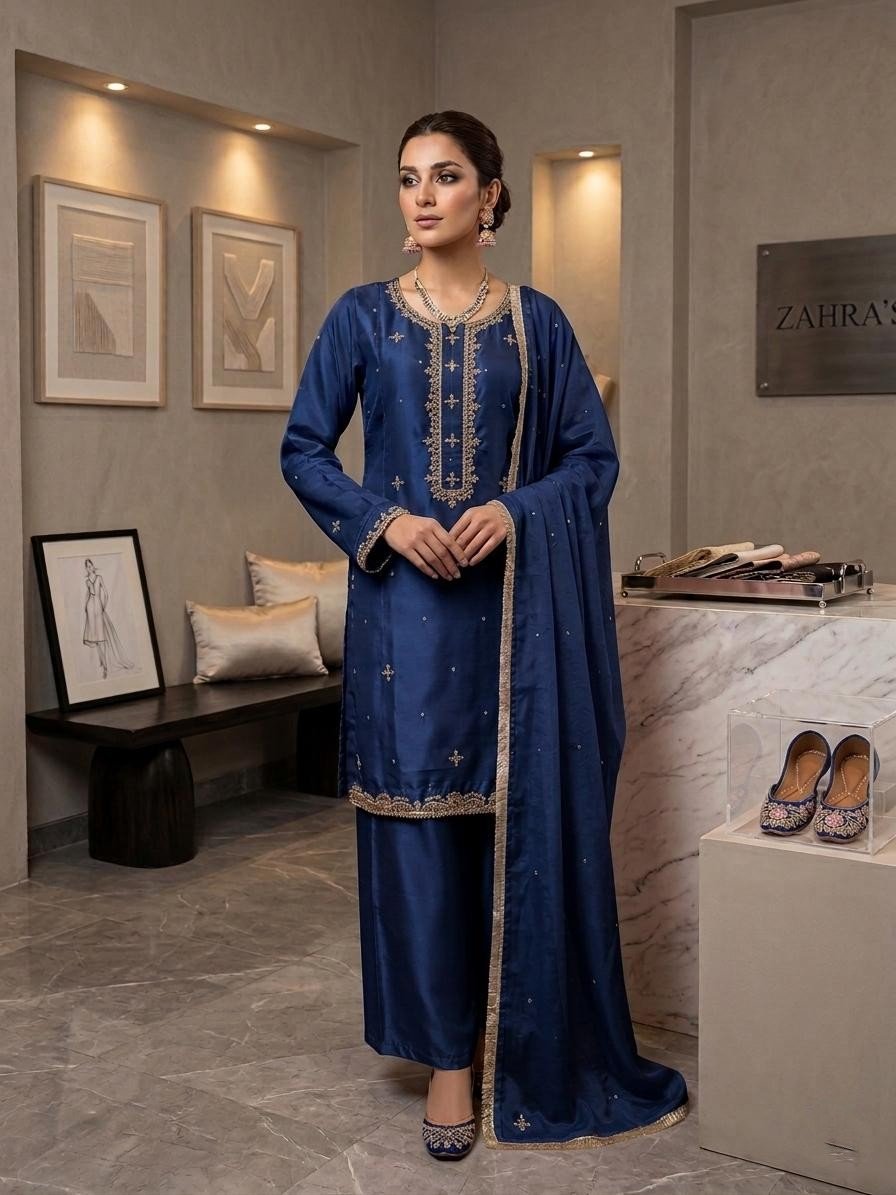
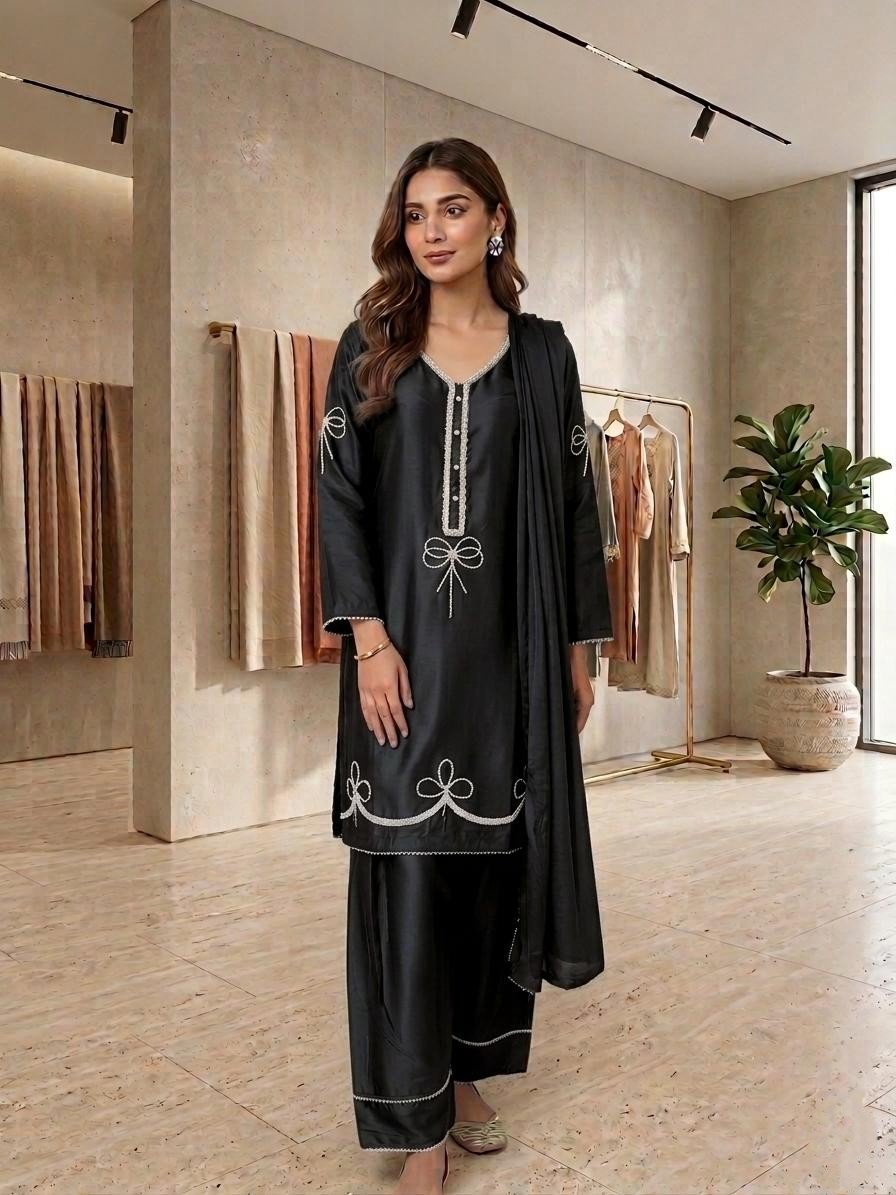
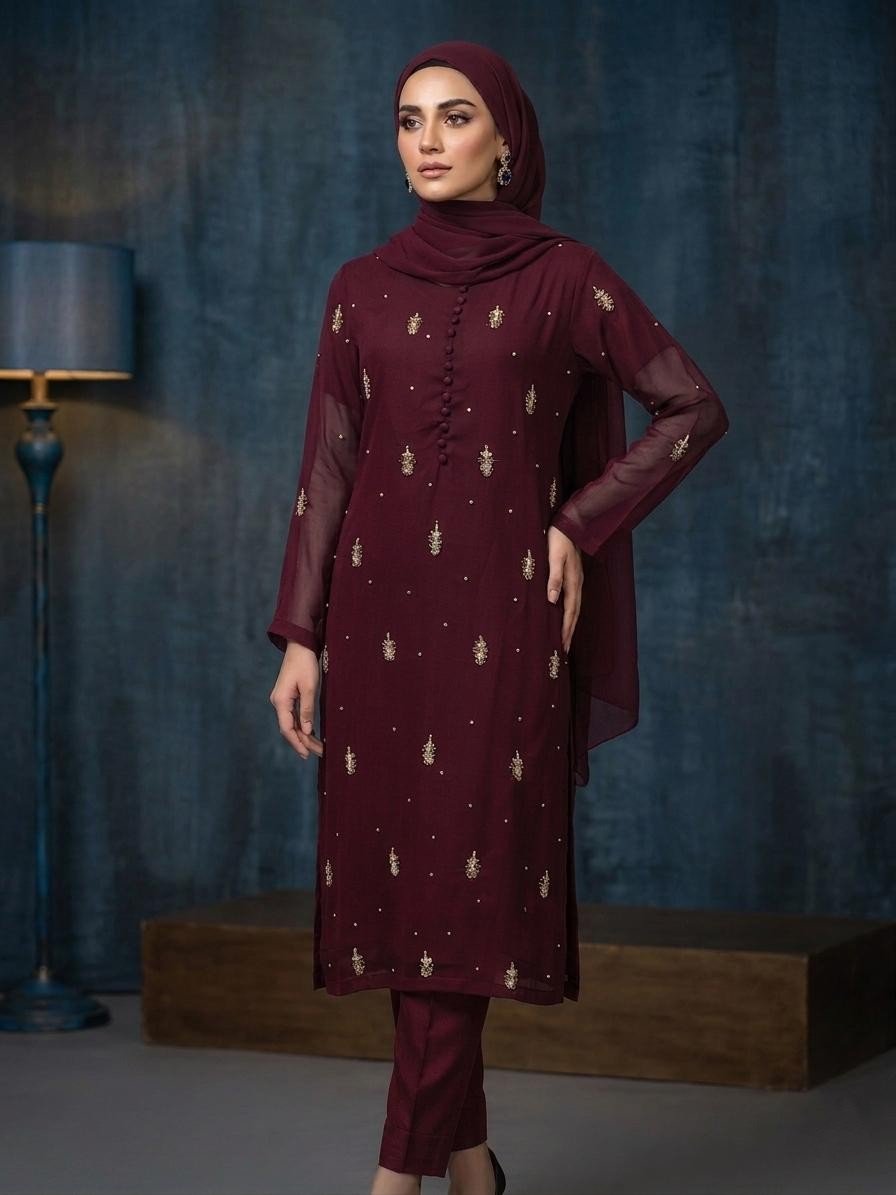
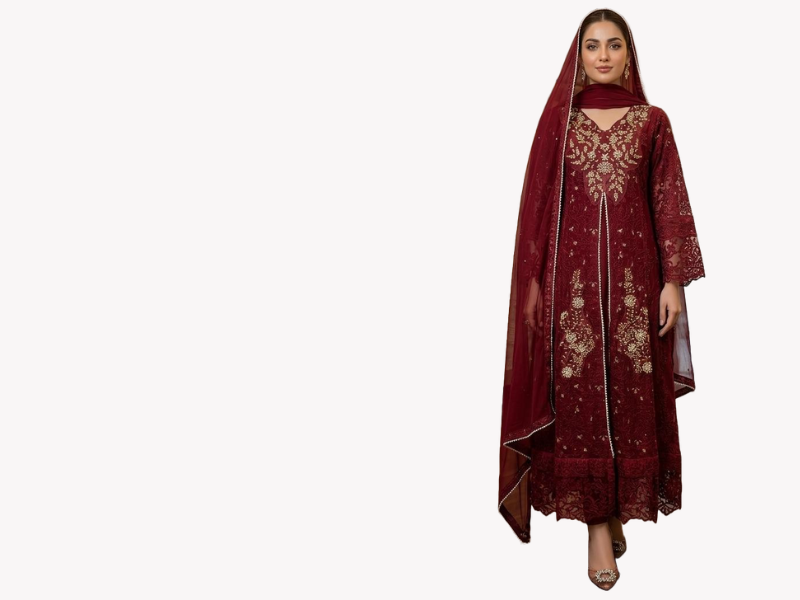
Gold-toned embroidery often pairs beautifully with maroon, emerald green, navy, black, and warm neutral shades.
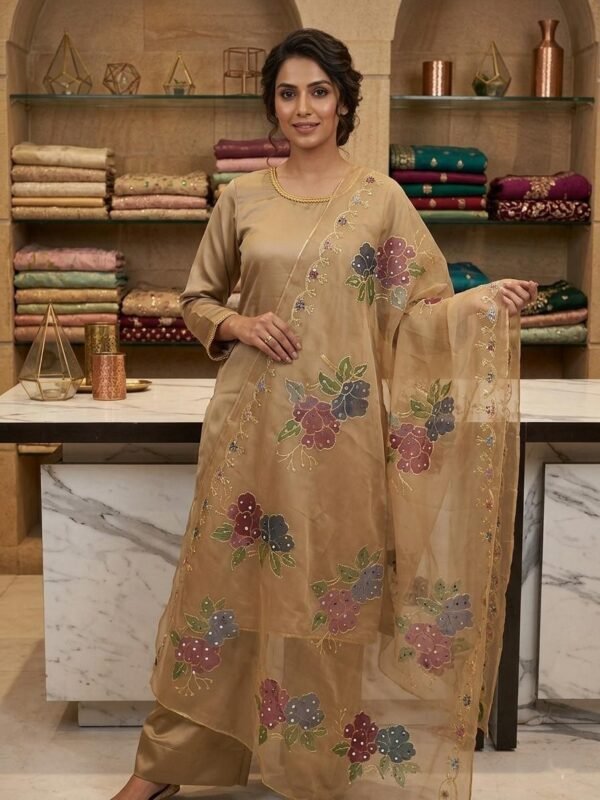
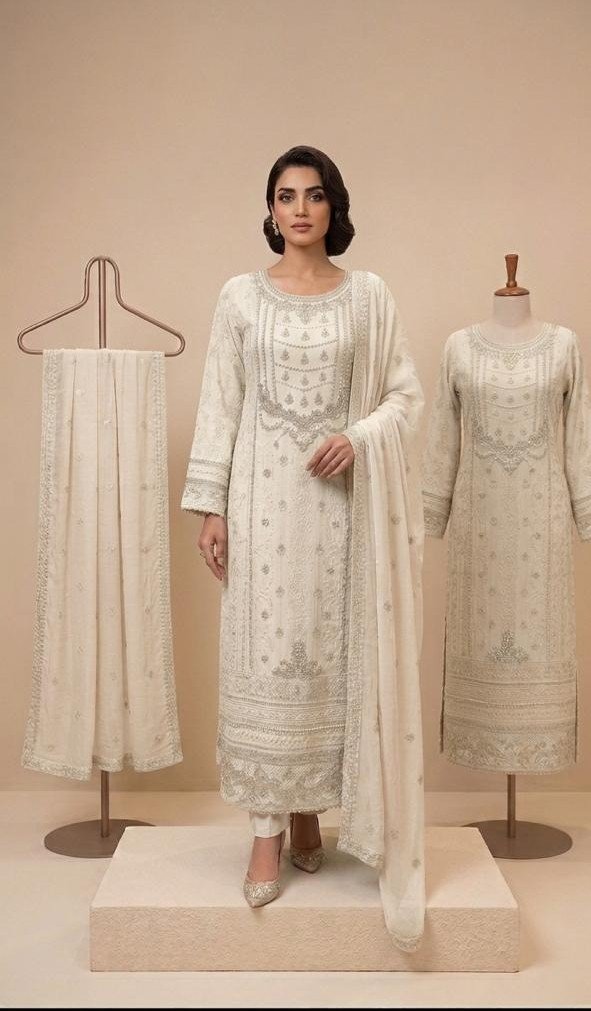
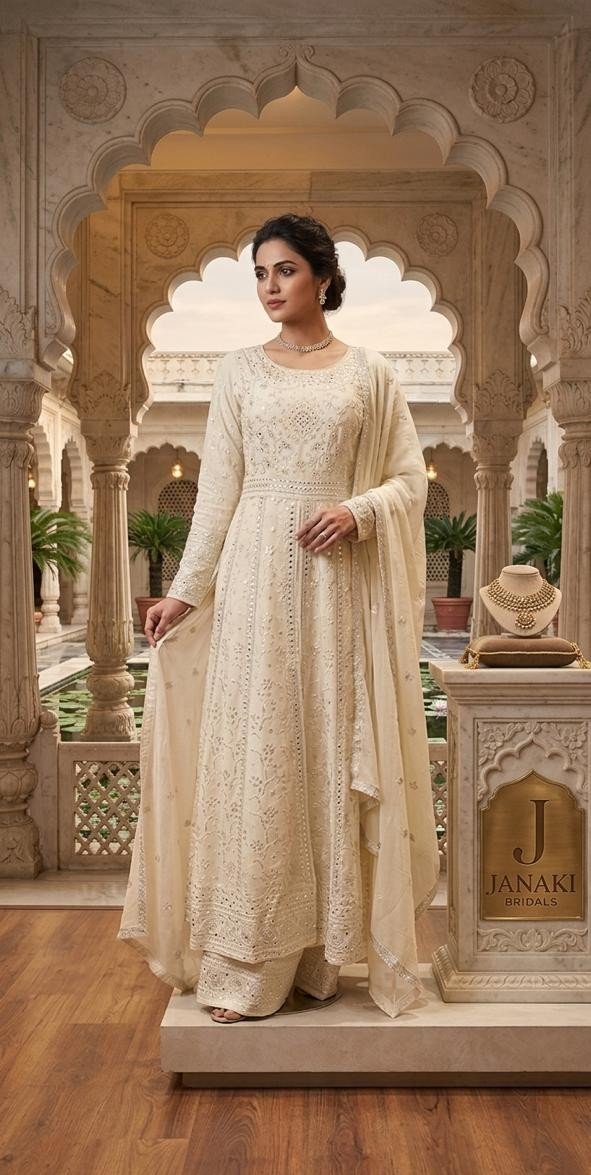
For a more understated look, consider beige or cream fabrics with delicate gold details.
Gold accessories can reinforce the color palette, but they are not essential if the embroidery already provides enough visual interest.
Silver Embroidery
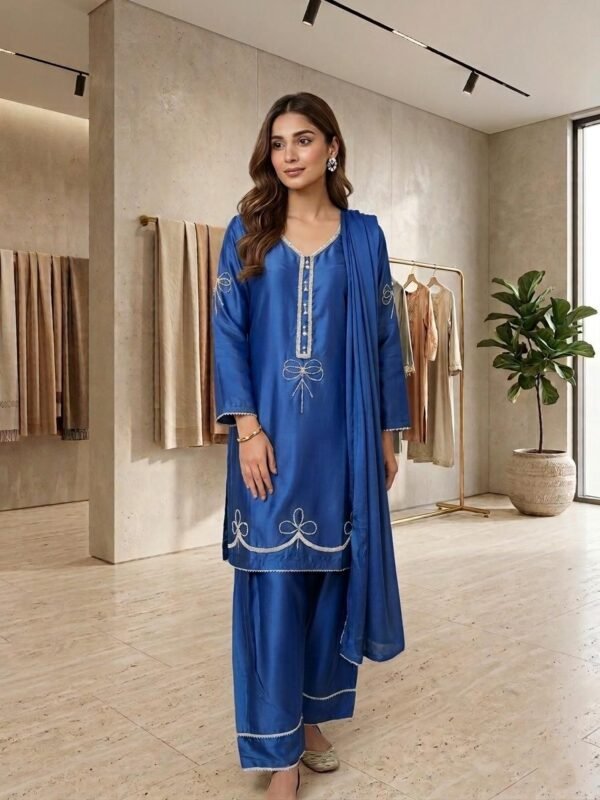
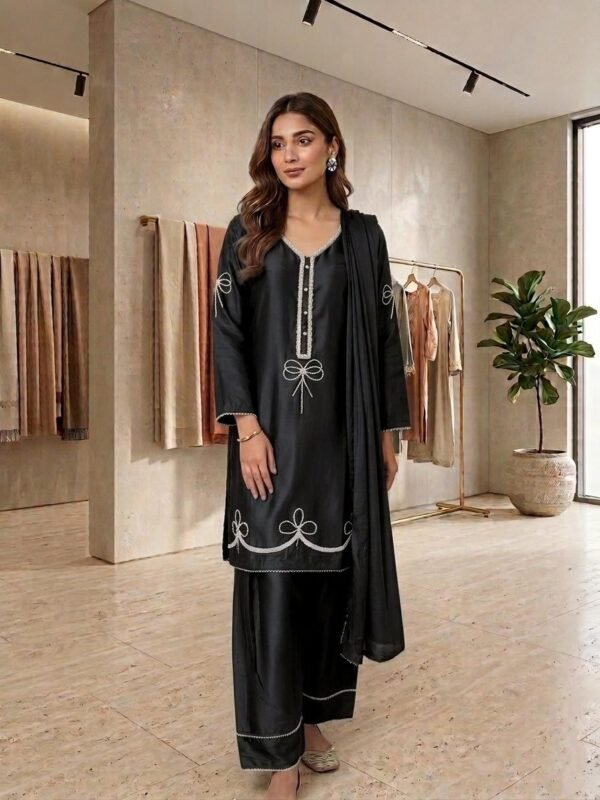
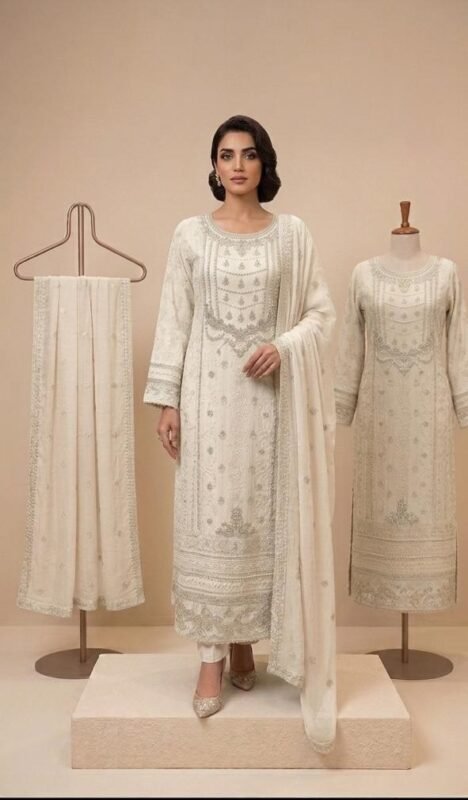
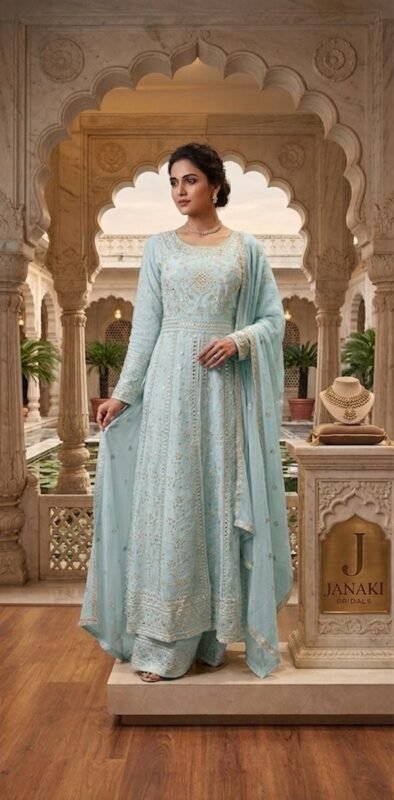
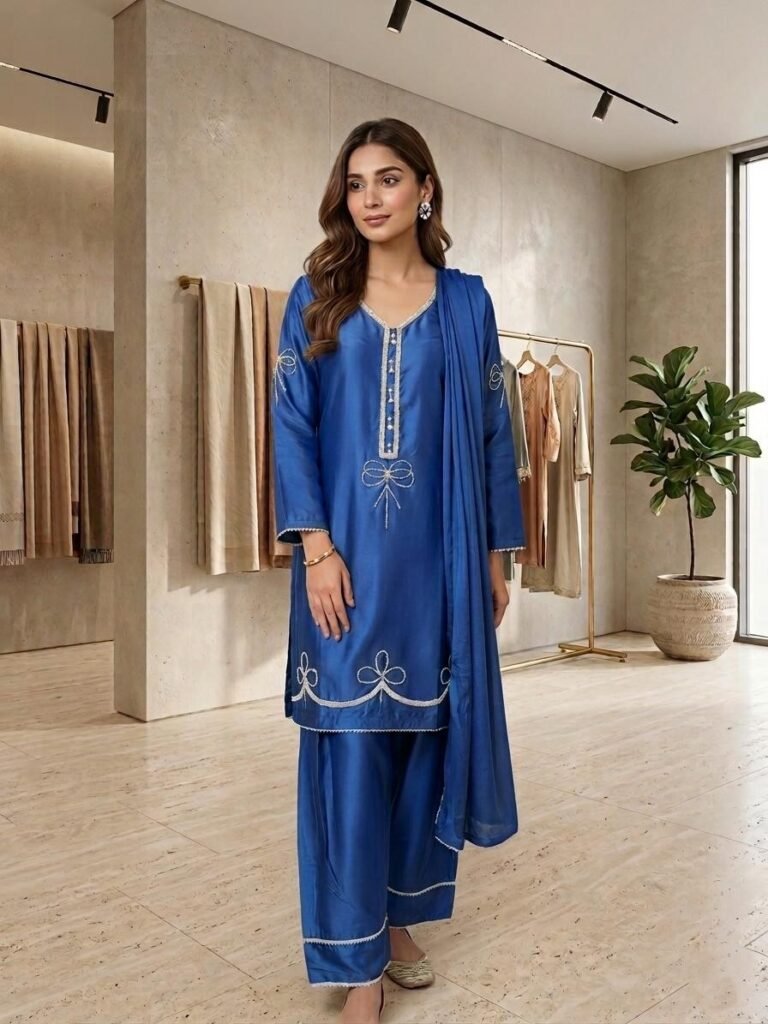
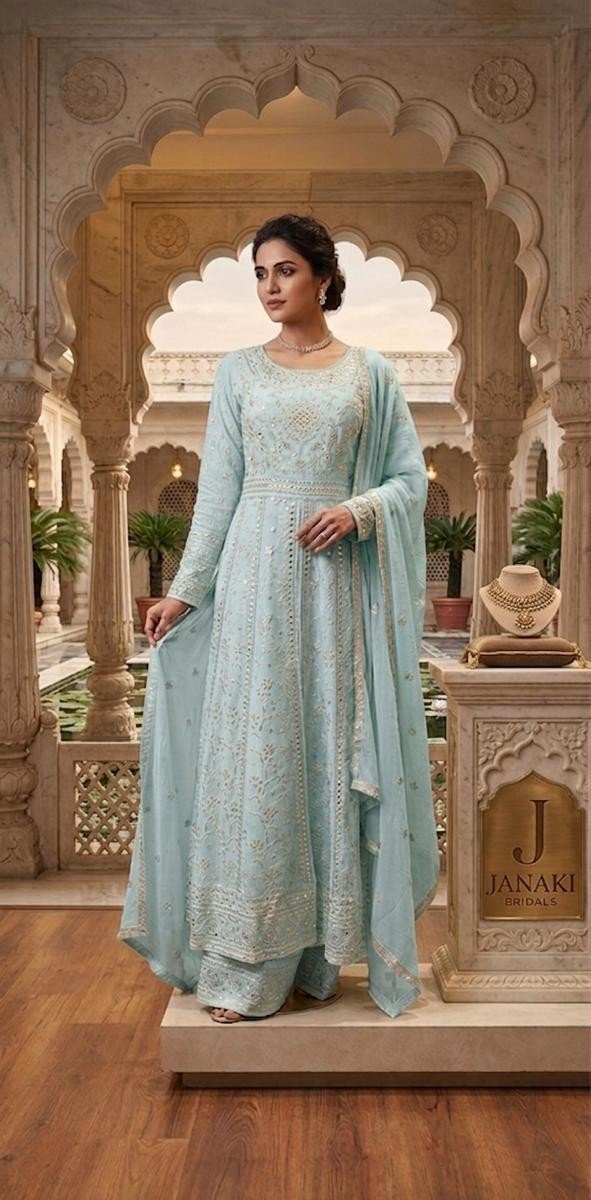
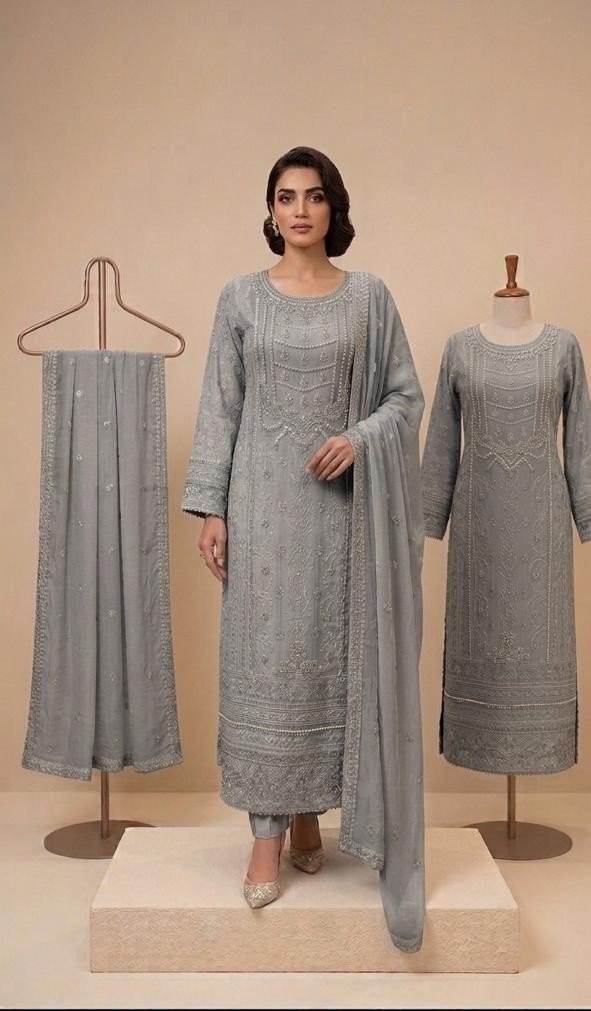
Silver-toned embroidery can complement navy, black, lavender, dusty blue, and cool-toned pastels.
Depending on the design, silver jewelry or accessories may help create a coordinated finish.
Multicolored Embroidery
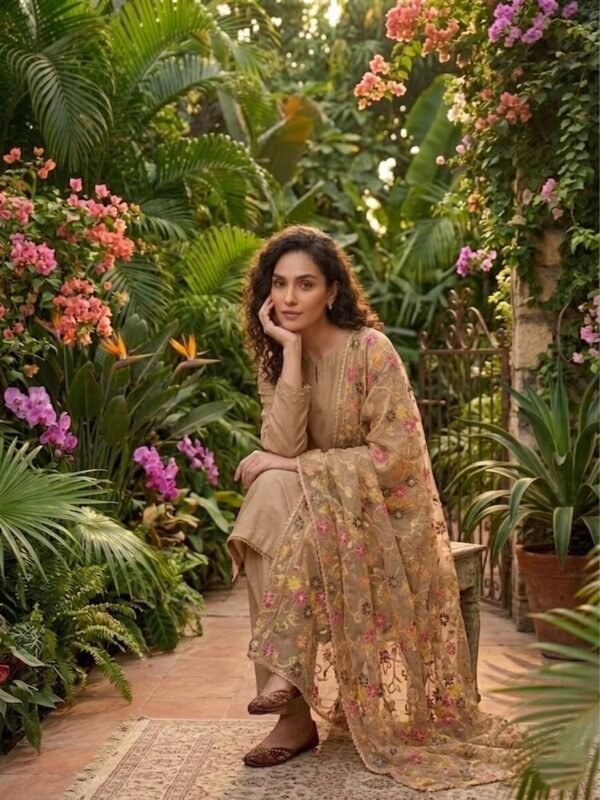
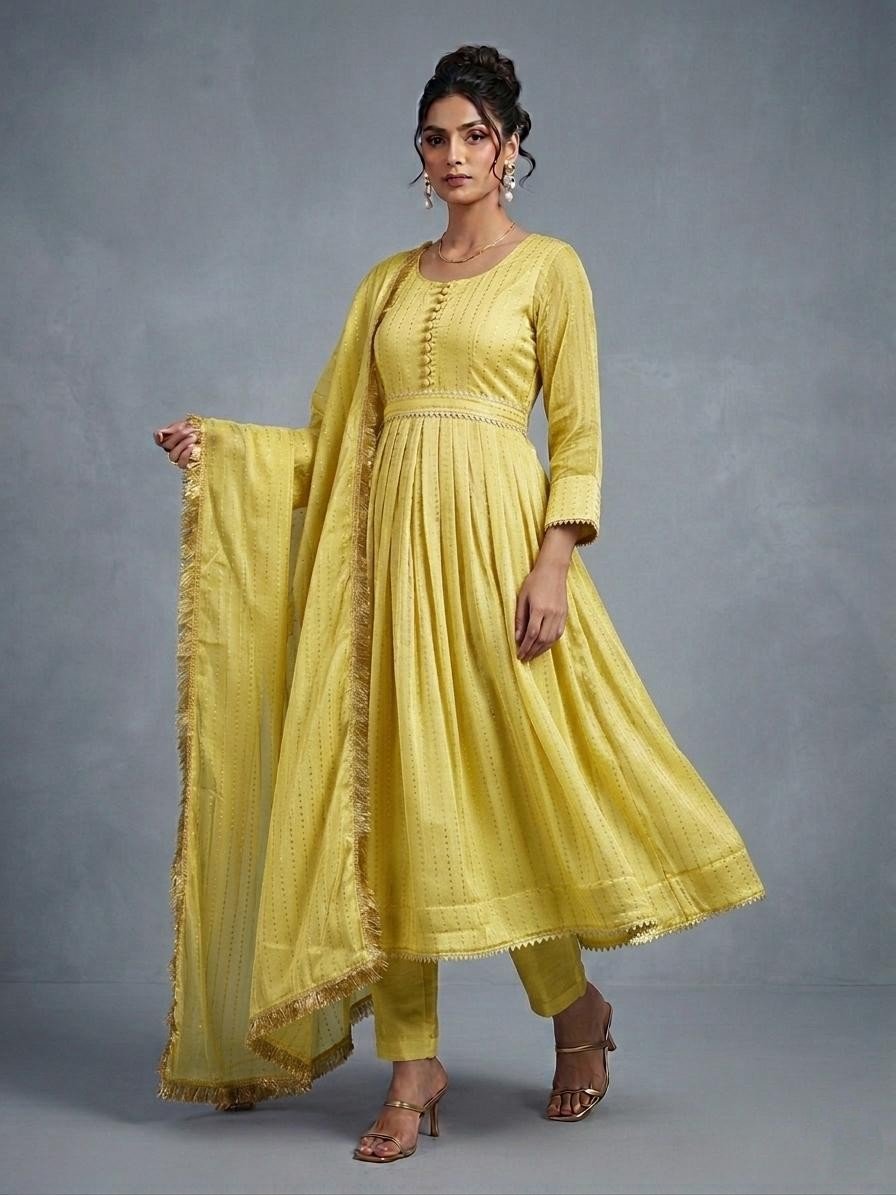
If your outfit features embroidery in several colors, use one or two of those shades as inspiration for your accessories.
For example, choose a dupatta, clutch, or pair of earrings that complements a color already present in the embroidery.
This approach helps the outfit feel coordinated without requiring every accessory to match exactly.
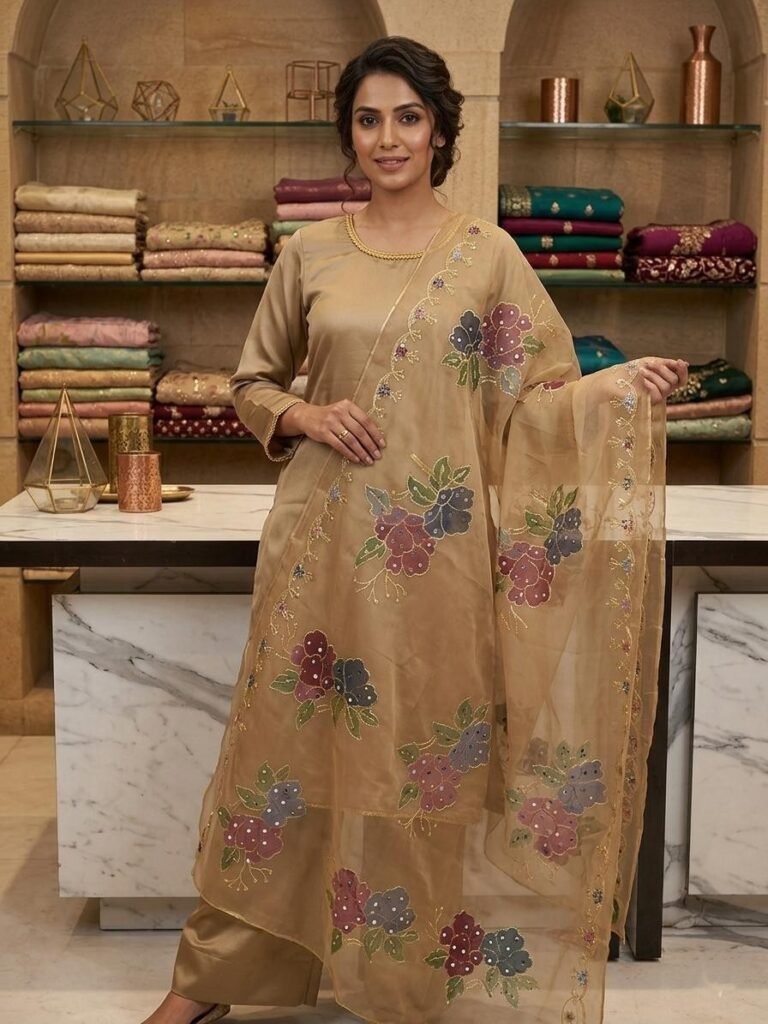
Floral Embroidery
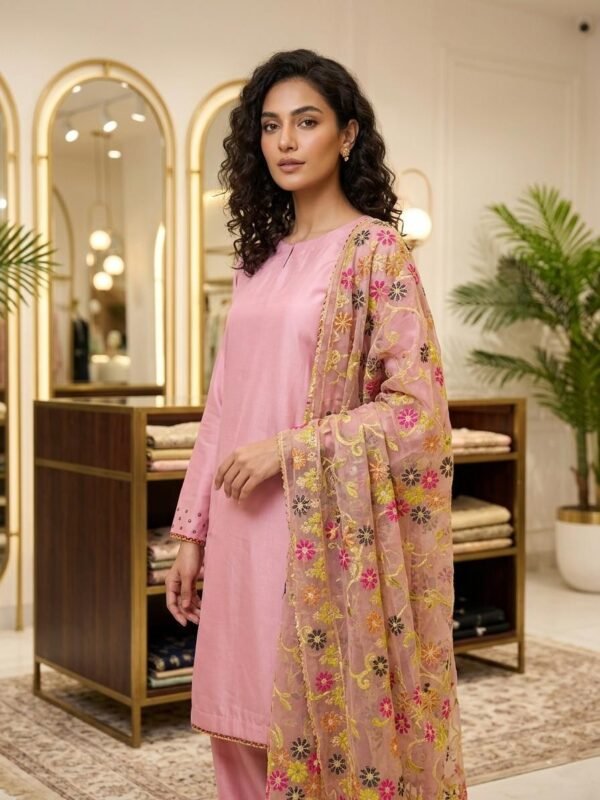
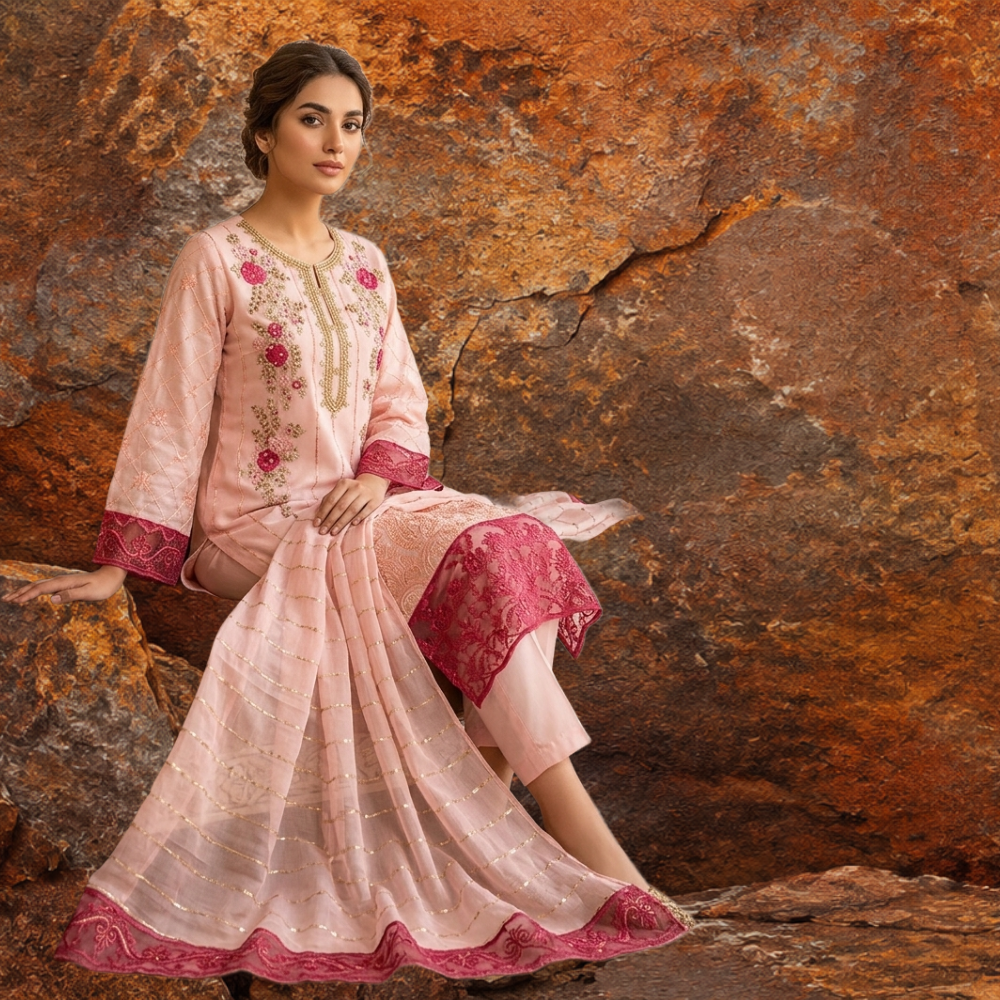
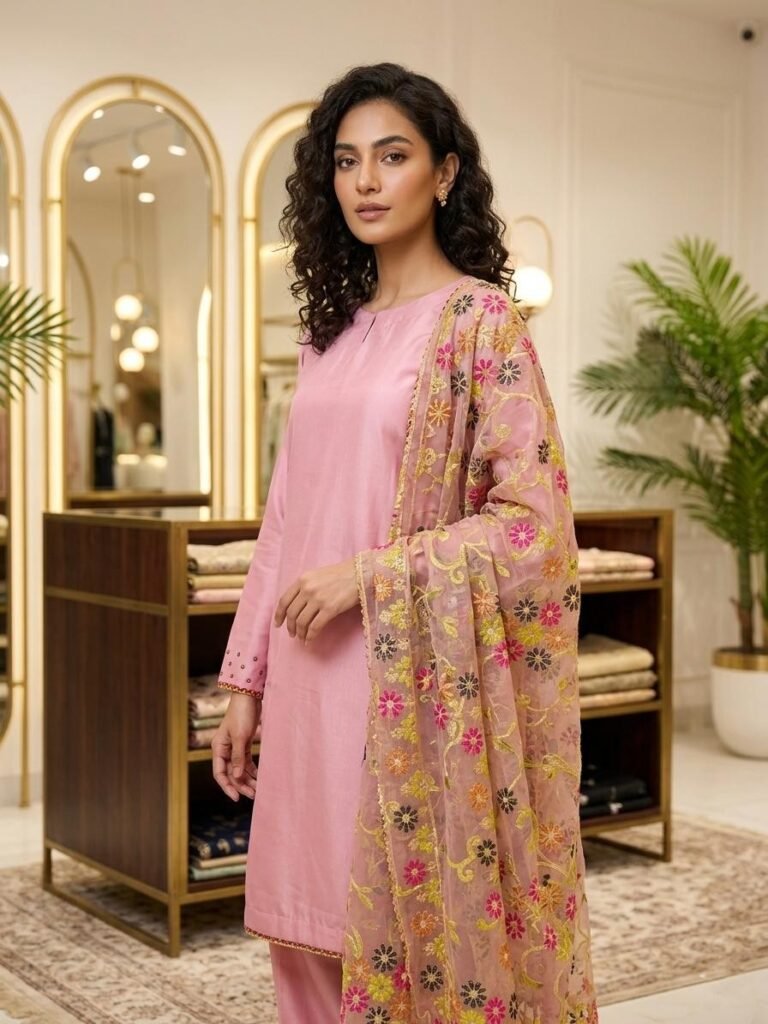
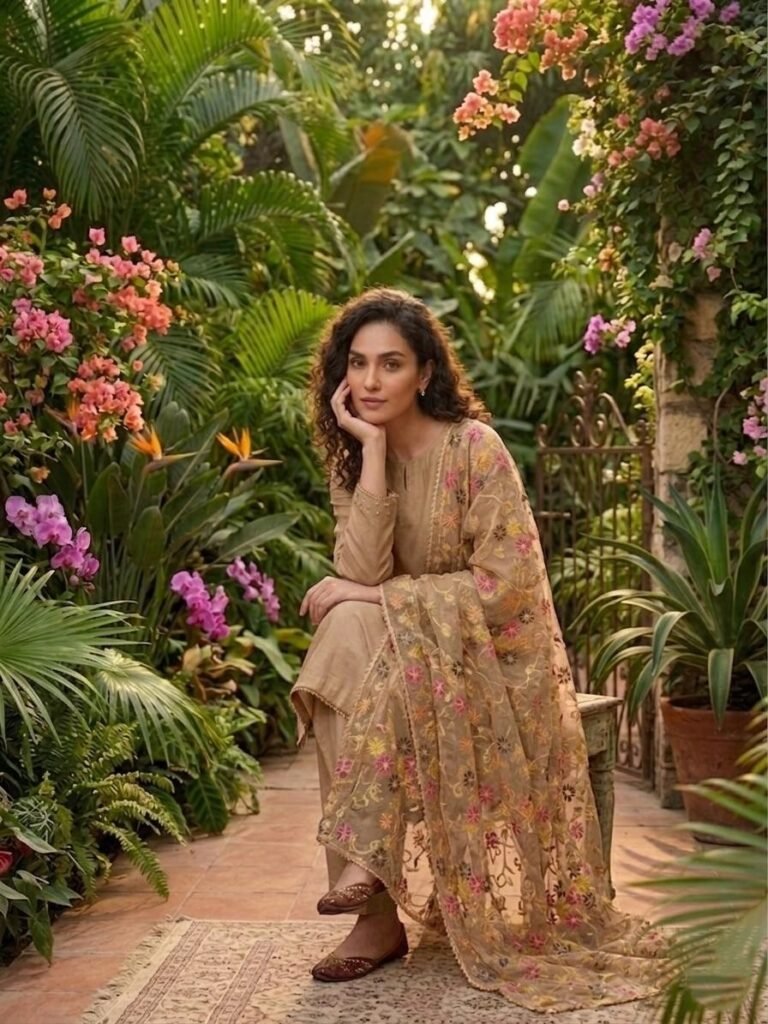
Floral embroidery can feature a wide variety of colors, from delicate pastels to vibrant contrasts.
Consider the overall color balance of the garment. If the embroidery is bold, a simpler base color can help the details stand out. If the embroidery is subtle, you may prefer a more expressive fabric color.
When to Keep It Simple
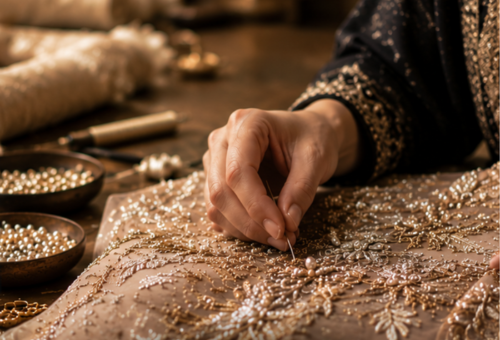
If your outfit already contains extensive embroidery and embellishments, avoid introducing too many additional colors through accessories.
A coordinated palette allows the craftsmanship to remain the focal point.
Style tip: When shopping online, zoom in on product photographs to examine the base fabric, embroidery colors, and embellishments. This can help you choose accessories that complement the outfit.
5. Use Color Theory to Create Beautiful Outfit Combinations
You do not need to be a fashion expert to create attractive color combinations. Understanding a few basic color-coordination techniques can make styling traditional clothing much easier.
Monochromatic Styling
Monochromatic styling involves combining different shades or tones of the same color.
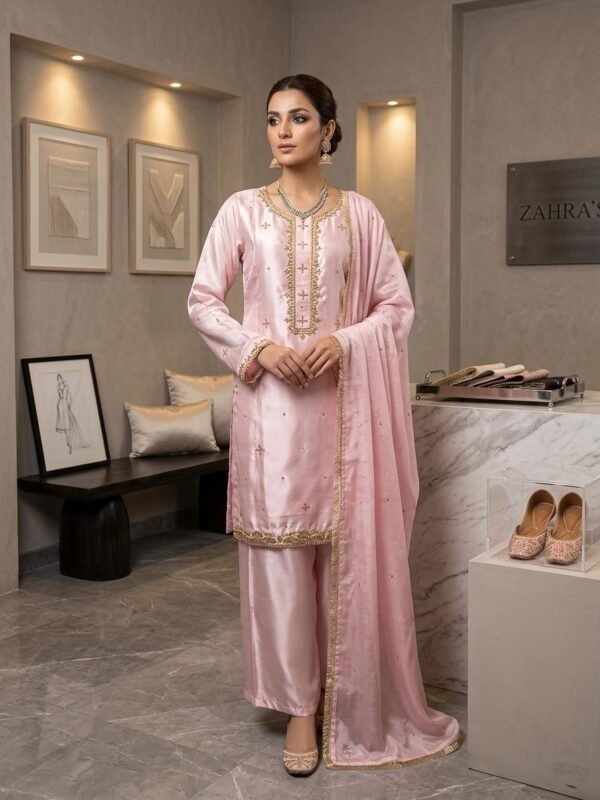
For example, you could pair a dusty pink outfit with deeper rose-toned accessories or style a navy ensemble with lighter blue details.
This approach creates a coordinated appearance without relying on multiple contrasting colors.
Complementary Colors
Complementary colors sit opposite one another on the traditional color wheel.
Examples include blue and orange or green and red. When used thoughtfully, these combinations can create a bold and eye-catching appearance.
For traditional clothing, consider introducing the contrasting shade through a dupatta, handbag, or accessory rather than using both colors equally throughout the outfit.
Analogous Colors
Analogous colors sit next to one another on the color wheel and often create a harmonious palette.
For example, pink, red, and orange can work together, as can blue, blue-green, and green.
These combinations can be useful when choosing a traditional outfit with coordinated embroidery or a multicolored dupatta.
Neutral and Accent Colors
Another simple technique is to combine a neutral base with one accent color.
For example, a beige outfit can be styled with emerald accessories, while a black ensemble may be complemented by a burgundy clutch or statement earrings.
This method is especially useful if you prefer an elegant look with a little contrast.
Style tip: If you are unsure which colors to combine, begin with one main color, one complementary shade, and a neutral accent. Adjust the balance according to your outfit’s embroidery and design.
6. Choose Colors That Complement Your Natural Coloring
Personal coloring can be one factor to consider when selecting traditional clothing. Certain shades may make you feel more vibrant or comfortable with your overall appearance.
However, there are no universal rules that determine which colors a person should wear. Lighting, fabric, personal preference, and the way a color is styled can all influence the result.
Warm-Looking Color Palettes
Some people enjoy colors with warm undertones, such as:
Rust
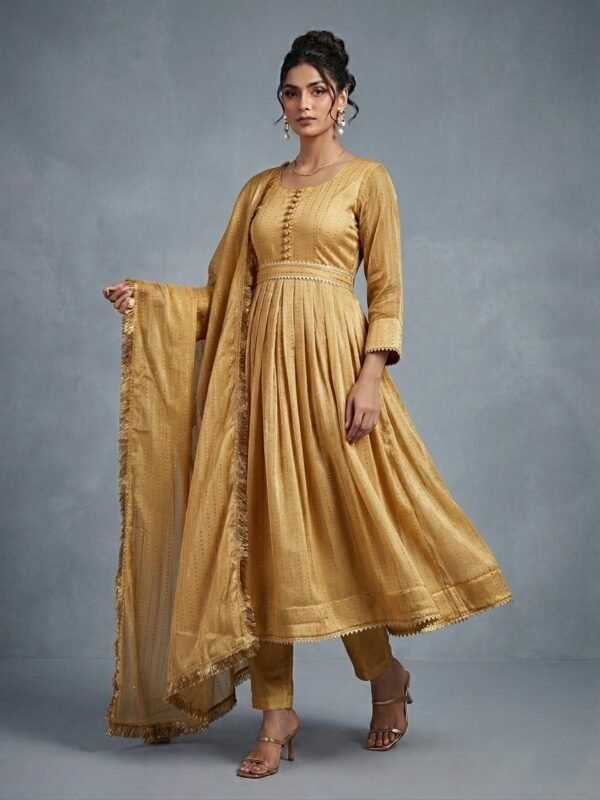
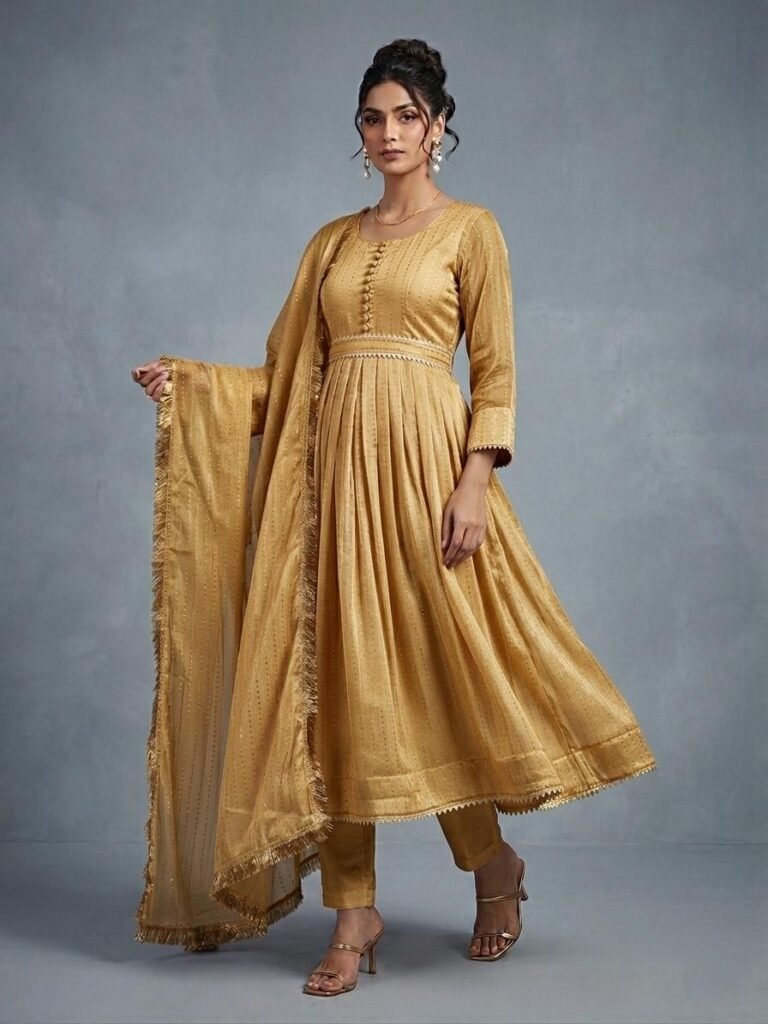
Mustard
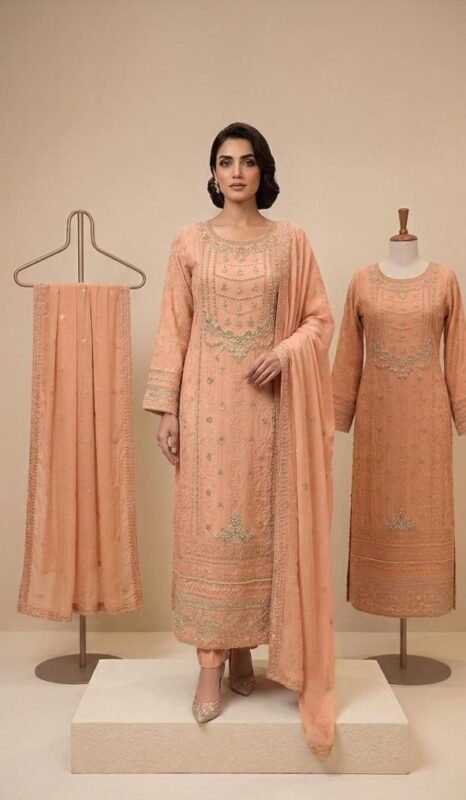
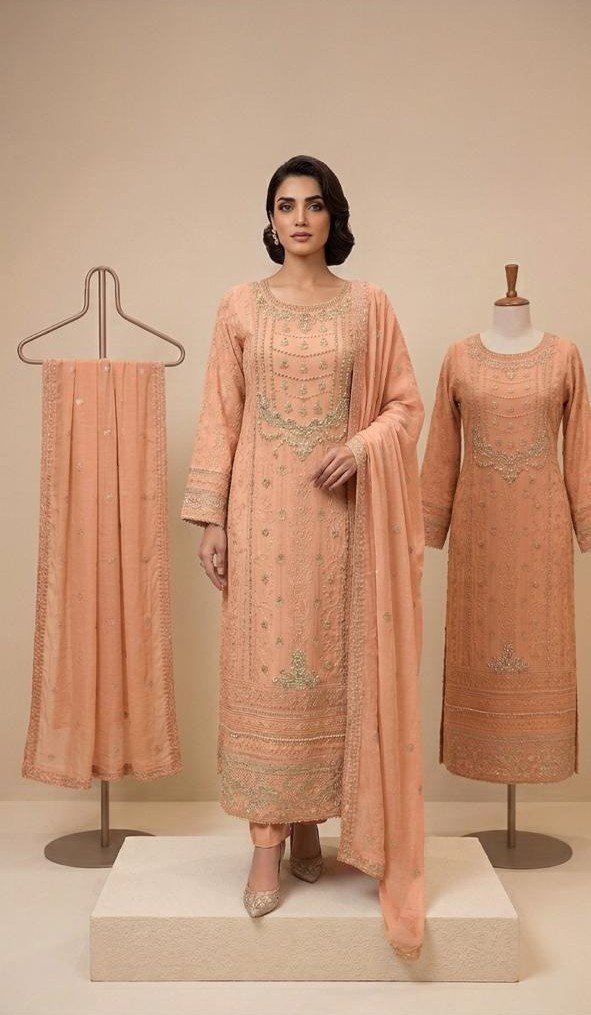
Warm peach
Olive green
Terracotta
These shades can create a rich, inviting appearance when paired with suitable fabrics and accessories.
Cool-Looking Color Palettes
Other people prefer cooler shades, such as:
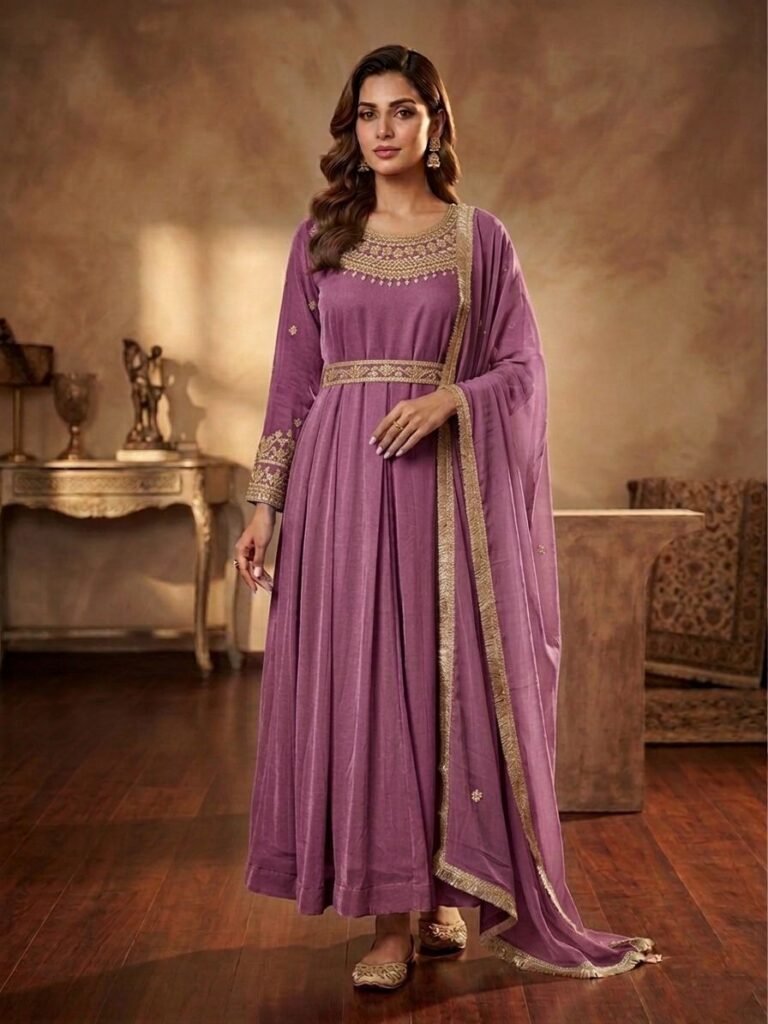
Lavender
Sapphire blue
Emerald green
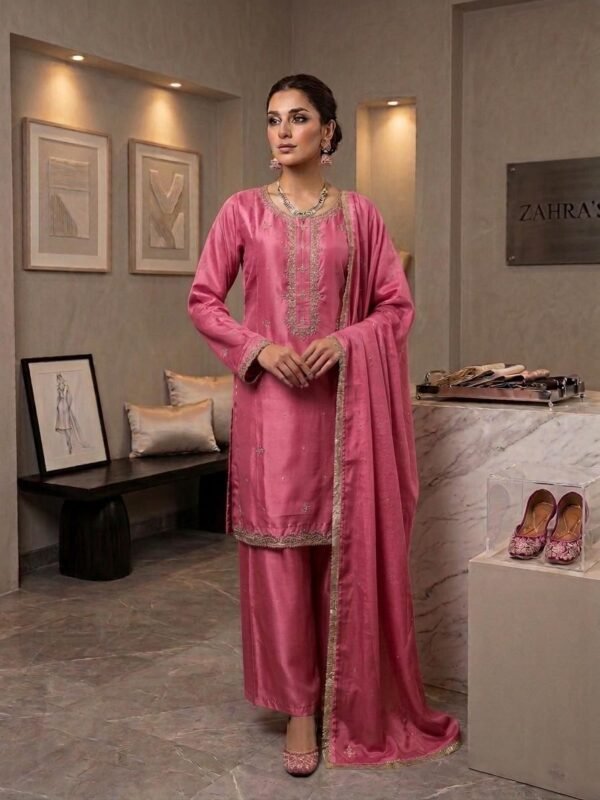
Cool pink
Blue-toned red
These colors can offer a fresh or sophisticated appearance, depending on the outfit.
Neutral Shades for Versatility
Black, navy, beige, cream, and other neutral shades can be useful when you want clothing that works with a variety of accessories.
You can also experiment with different versions of the same color. A warmer shade of pink, for example, may create a different appearance from a cooler pink.
How to Find Colors You Love
Try holding different fabric shades near your face in natural daylight. Notice which colors you enjoy seeing yourself in and which ones make you feel most confident.
If you shop online, remember that screen settings and product photography can affect how colors appear. Check product descriptions and available photographs carefully.
Style tip: Use personal coloring as a source of inspiration, not a restriction. You can wear any color you love by adjusting its shade, fabric, and styling.
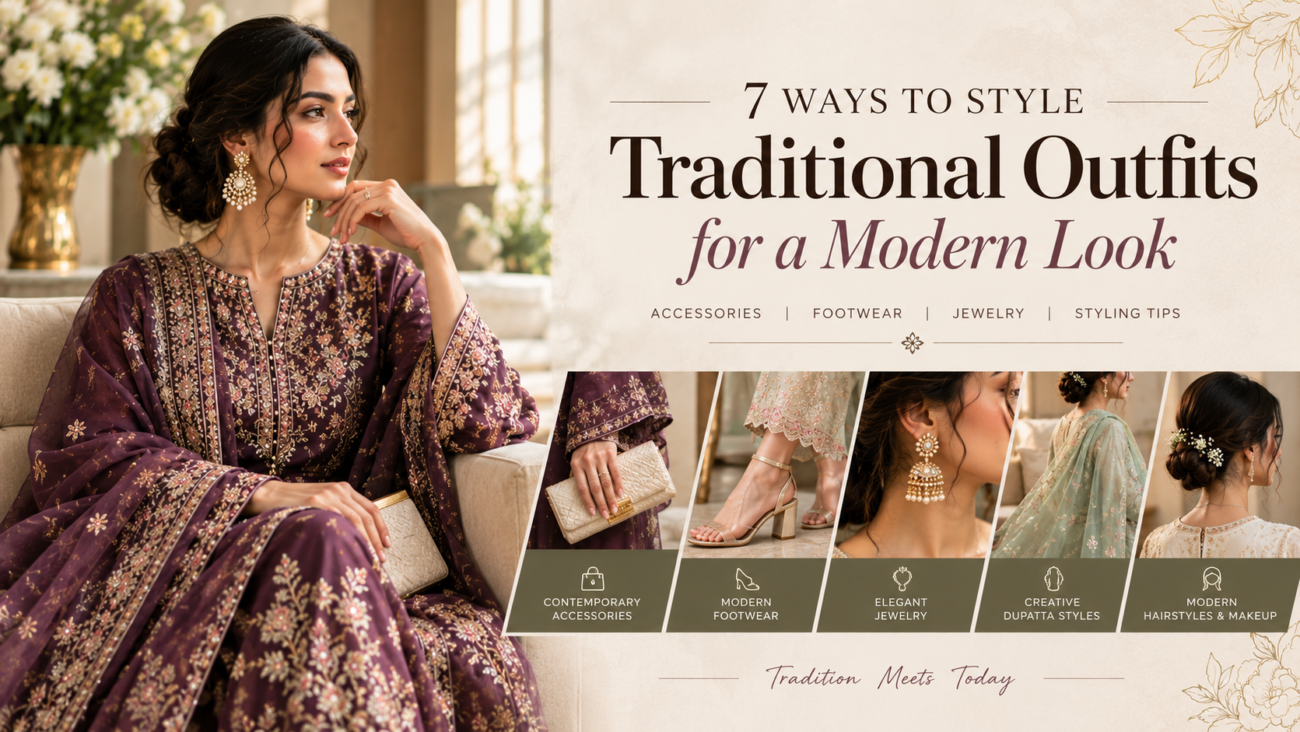
7. Match Your Accessories to Your Outfit’s Color Palette
Accessories can bring an outfit together, especially when your traditional clothing features intricate embroidery or multiple colors.
The goal is to create a coordinated appearance without matching every item exactly.
Jewelry
Gold-toned jewelry often complements warm colors and gold embroidery, while silver-toned pieces can work beautifully with cooler shades and silver detailing.
These are styling guidelines rather than strict rules. Mixed metals can also look attractive when the overall combination feels intentional.
Footwear
Neutral footwear in shades such as beige, black, gold, or silver can complement many traditional outfits.
For a more expressive look, choose footwear that picks up a color from your embroidery, dupatta, or accessories.
Handbags and Clutches
A clutch can introduce a subtle contrast or reinforce your outfit’s main color.
For example, a neutral clutch can balance a vibrant outfit, while a jewel-toned accessory can add interest to a simpler ensemble.
Dupattas
A dupatta can introduce another color or connect the shades already present in your outfit.
If your suit is a single color, a contrasting dupatta can add dimension. If the outfit already features multiple colors, a coordinated dupatta may create a more balanced appearance.
Style tip: Before getting dressed, lay out your outfit, footwear, jewelry, and handbag together. Seeing all the pieces at once can help you identify whether the colors work harmoniously.
8. Build a Traditional Wardrobe Around Versatile Colors
A well-planned wardrobe does not need to contain every color. Instead, focus on shades that complement your personal style and work across multiple occasions.
Building a versatile color palette can make it easier to select outfits, coordinate accessories, and create different looks with fewer pieces.
Start with Timeless Neutrals
Consider including traditional outfits in colors such as black, navy, beige, cream, or other shades you enjoy wearing.
These colors can serve as foundations for different looks and may be easier to coordinate with existing accessories.
Add a Few Statement Colors
Once you have your foundational shades, introduce colors that reflect your personality.
You might choose a maroon embroidered suit, an emerald ensemble, a lavender outfit, or another shade that makes you feel confident.
Statement colors can add variety without making your wardrobe difficult to coordinate.
Choose Outfits That Work for Different Occasions
Consider how often you will wear each outfit and which events it suits.
A versatile embroidered suit may work for family gatherings, festive occasions, and selected formal events, depending on its design.
A heavily embellished ensemble may be better suited to weddings and special celebrations.
Coordinate Accessories Across Your Wardrobe
Accessories in neutral or complementary colors can work with several outfits.
For example, a versatile clutch, understated jewelry, and comfortable formal footwear can help you create different combinations without purchasing new accessories for every ensemble.
Style tip: Before buying an outfit, think about at least two or three ways you could style it using pieces you already own.
9. Common Color-Coordination Mistakes to Avoid
Choosing outfit colors should be enjoyable, but a few common mistakes can make styling more difficult.
Following Every Trend
Not every trending color will suit your preferences or wardrobe. Instead of purchasing an outfit simply because a shade is fashionable, consider whether you will enjoy wearing it and whether it works with your existing clothing.
Using Too Many Competing Colors
Combining several bold colors, elaborate embroidery, and statement accessories can make an outfit feel visually busy.
Choose a main color and let the remaining elements complement it.
Ignoring the Embroidery
A fabric color may look beautiful on its own but create a different effect when paired with colorful or metallic embroidery.
Review the entire garment rather than choosing accessories based only on the base color.
Choosing Accessories That Compete with the Outfit
If your traditional suit features elaborate embellishments, accessories in equally bold colors may distract from its details.
Consider choosing one statement element and keeping the rest of the look balanced.
Forgetting the Event Setting
A color combination that works beautifully for a festive evening may feel different at a daytime family gathering.
Consider the occasion and dress code when selecting your outfit.
Relying Only on Online Color Previews
Product photographs can vary because of lighting, editing, and screen settings. Review all available images and read the product description before making a purchase.
These simple considerations can help you make more thoughtful fashion choices and build a wardrobe that feels cohesive.
10. Find Your Signature Colors with Style Icon
Your signature colors are the shades you naturally enjoy wearing and return to because they make you feel confident.
They do not have to follow a trend or fit into a particular seasonal palette. Instead, they should reflect your personality, lifestyle, and preferences.
To discover your signature colors, start by reviewing the outfits you wear most often. Notice which shades you choose for special occasions, which ones complement your favorite accessories, and which outfits make you feel most comfortable.
You can then build on those preferences by exploring different shades, introducing complementary colors, and experimenting with new combinations.
At Style Icon, we celebrate traditional fashion through elegance, thoughtful design, and an appreciation for the details that make every outfit special.
Whether you love soft neutrals, vibrant festive shades, rich jewel tones, or intricate embroidered designs, the right color can help you express your personal style beautifully.
Final Thoughts
Choosing the right colors for your traditional wardrobe becomes easier when you consider your personal style, the occasion, the season, the embroidery, and your accessories.
Timeless neutrals can provide a versatile foundation, while vibrant shades and elegant pastels introduce variety. Understanding basic color combinations can help you coordinate your outfits, and thoughtful accessory choices can bring the entire look together.
Most importantly, do not feel restricted by fashion rules. Experiment with different shades, explore combinations you enjoy, and choose clothing that makes you feel comfortable and confident.
A beautiful traditional wardrobe is not simply about owning the latest colors. It is about selecting shades that reflect who you are and finding new ways to wear them.
Style Icon — Where Elegance Meets Style.